

Theme packs

STEM Explorations

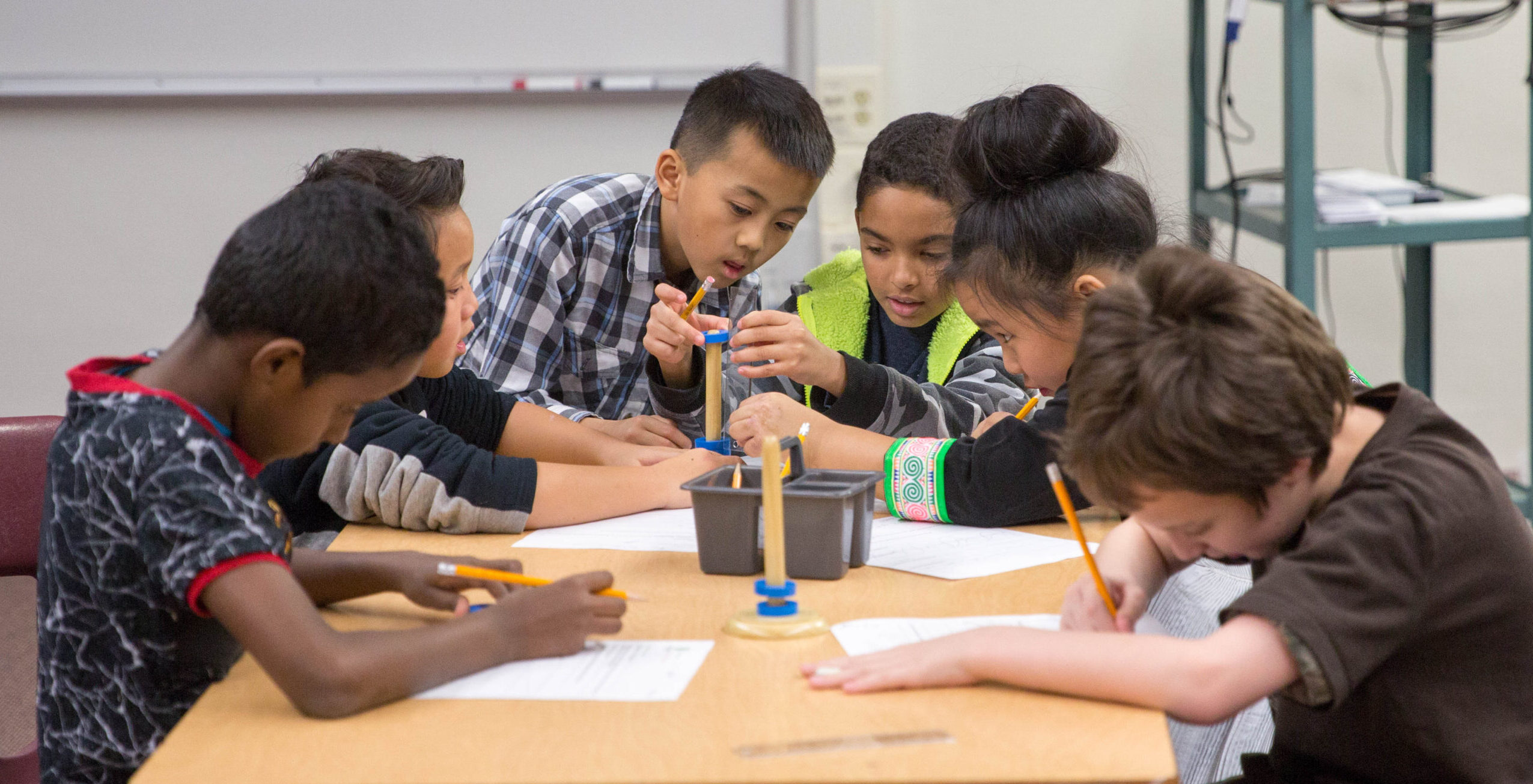
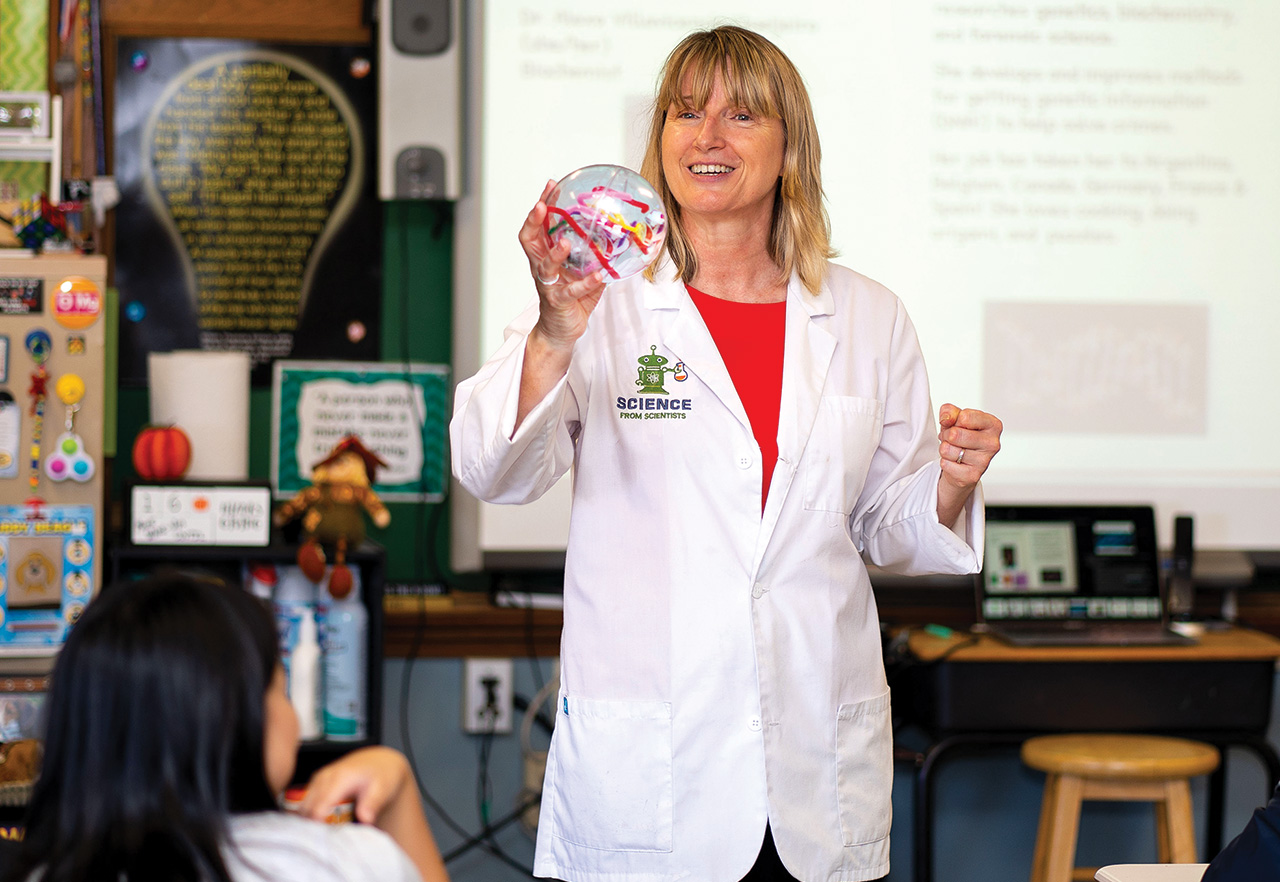
Science from Scientists (SciSci) STEM Explorations provide an opportunity for schools to experience award-winning SciSci programming via themed lesson packs.

STEM Explorations are designed for grades 3–8.
parallax background

Our STEM Explorations program's features include:

Theme pack lesson options

Chemistry

Grades 3-5

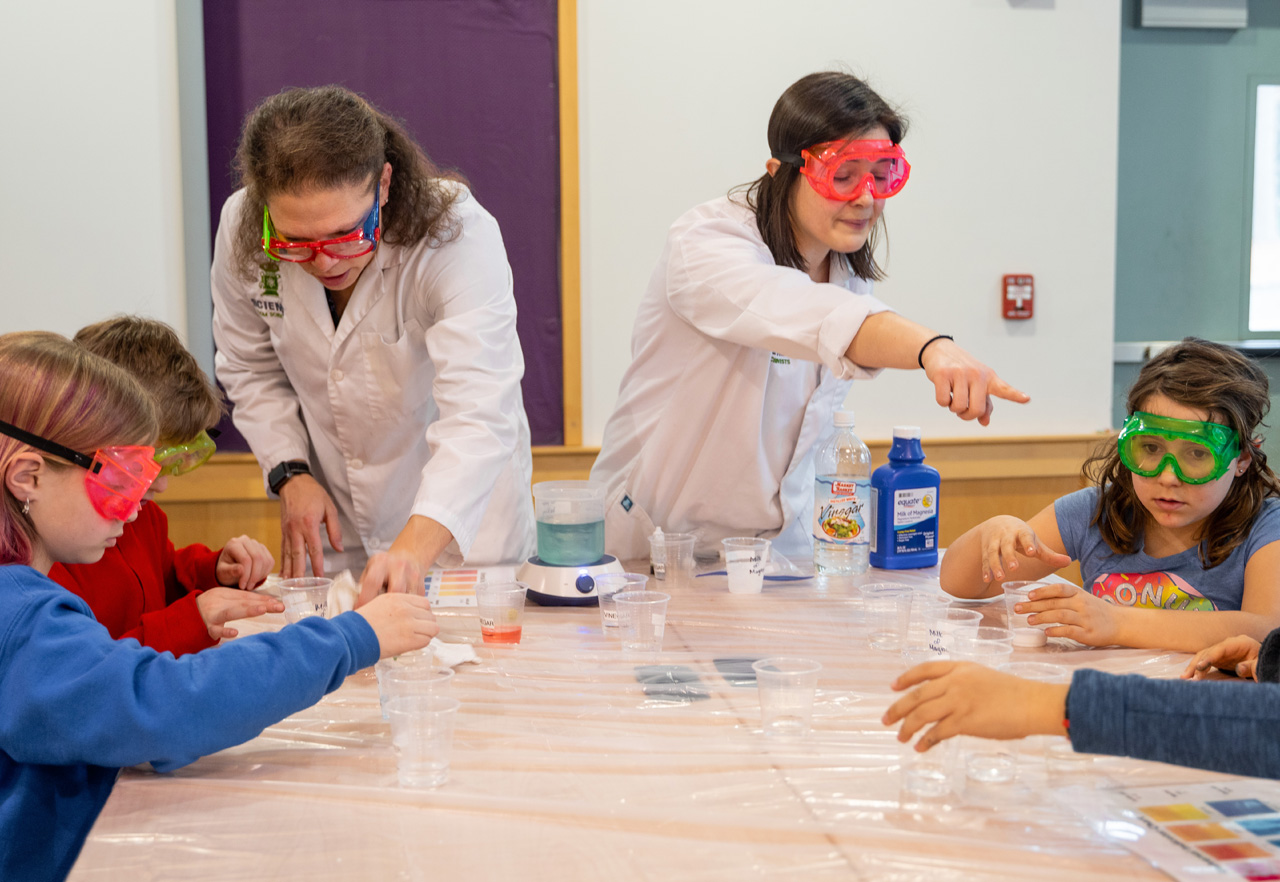
Students will explore the differences between physical and chemical properties, discover the unique properties of water, investigate viscosity, and learn about how chemists can change the properties of materials.
Chemical Identification
Students perform several experiments to determine the identities of six household white powders based on their solubility in different solvents and simple chemical reactions with vinegar and iodine. After the testing, students will learn how to distinguish between the physical and chemical properties of substances and how these can be used to identify substances.
Properties of Water
This lesson demonstrates the unique properties of water through a series of simple activities that encourage students to ask questions and make observations. Students will explore cohesion, adhesion, and surface tension. The lesson culminates with the students physically modeling how water molecules interact.
Viscosity
Students investigate viscosity by examining the speed at which a marble drops through tubes of fluids with varying viscosities. Students will formulate hypotheses about the viscosities of these fluids and predict variables that may affect their viscosity.
Polymers
Students create cross-linked polymers and investigate their polymer’s behavior. They will use pre-made solutions to make different polymers within a group of four, then ask and answer a testable question to compare their group’s four polymers. Students in all grades will have the opportunity to present their results to the class.

Environmental Science

Grades 3-5

Students will learn about the human impact on the environment and how we can help stabilize ecosystems and make choices in our daily lives that improve and protect the environment.
Oil Spill
Acting as environmental engineers and using an oil spill model in an ocean, students test different methods for effectively cleaning up the spill and determine the harmful effects that oil spills and their clean-up have on animals and the environment.
Invasive Species
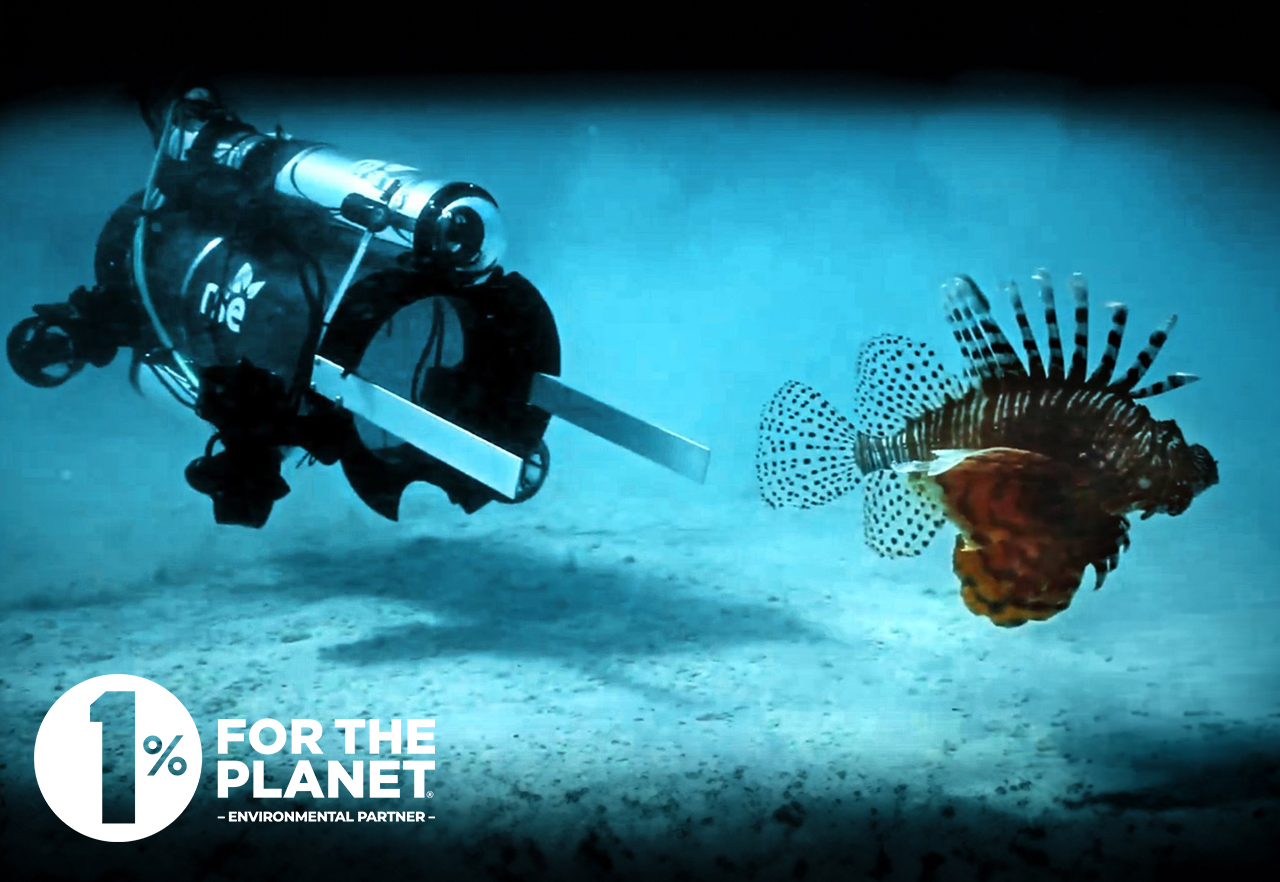
Students explore what it means for species to be native, nonnative, or invasive by completing an activity that models how different types of predatory fish might capture their prey. From their results, students identify what makes an organism invasive. They then discuss what to do with invasive species and are introduced to one eradication method, the artificial predator Guardian LF1 robot from Science from Scientists In the Field.
Owl Pellets
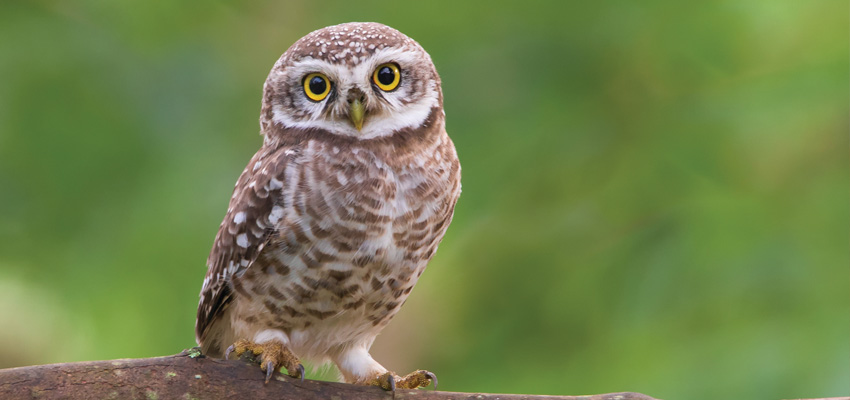
Students discuss the adaptations owls have that allow them to swallow their prey whole—bones, fur/feathers, and teeth! They will dissect an owl pellet with a partner to gather data about the owl’s diet. Time permitting, students go on to learn about several other owl adaptations, including stereo eyesight, keen hearing (and uneven ears), and feathers that allow for silent flight.
Sustainability
Students work in groups to represent fishing villages and play a fishing game to explore the concepts of sustainability and the tragedy of the commons. Once most “villages” run out of fish, groups collaborate to devise strategies that will allow them to fish sustainably. After the activity, students present their group’s strategy, and the class chooses a strategy that will allow them to continue to fish indefinitely.

Engineering

Grades 3-5

Students will design and test an egg-drop housing, use simple machines to create a Rube Goldberg device, explore building designs that can withstand earthquakes, and test ways that engineers can use material properties to separate a collection of materials.
Rover Restraint
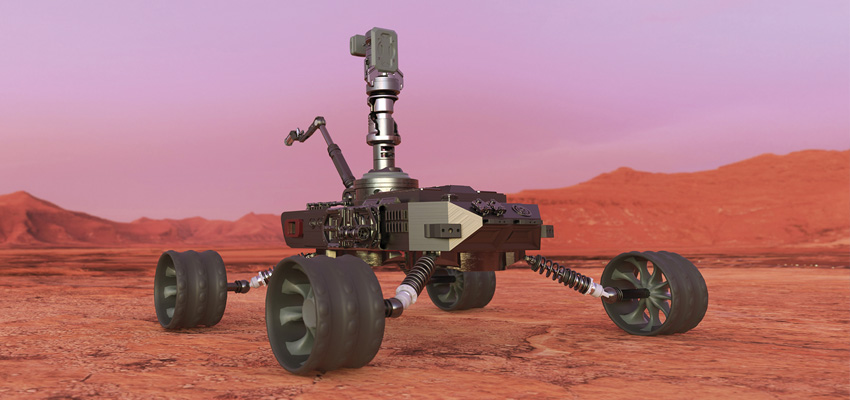
This lesson engages students in hands-on, team-oriented engineering. Students will first learn about NASA’s Mars rovers to illustrate the problems engineers solve and the constraints and challenges they face. Working as teams of engineers, students will design a model for a Mars landing module to successfully land a rover, while balancing constraints such as time and available budget.
Simple Machines
Students explore the six types of simple machines and engage in a design challenge to build a Rube Goldberg device that rings a service bell via a chain reaction using multiple simple machines. After completing the design and building phase, each group will present their device and the simple machines used by their classmates. Finally, students will consider every-day objects and identify the simple machines they employ.
Earthquake Resistant Buildings
Students build models of buildings using different designs and then use shake tables to determine which design provides the most secure building in a simulated earthquake. Based on their findings, students will then identify their models' benefits and drawbacks and compare them to real-world engineering techniques.
Separation of Substances
Students use various tools to design and implement a multistep process to separate a mixture of four different materials. Then, they will assess the effectiveness of their separation techniques by comparing the final versus initial mass for each material. After discussing their results, students compare their techniques to the methods used for separation at recycling facilities.

Dissections

Grades 6-8

Students will explore earthworm anatomy and understand the importance of worms in the decomposition process, compare the structure and function of frog organs to those of humans, and finally dissect sheep eyes and hearts to learn more about the detailed structures of those organs.

Earthworm Dissection
Students explore the role of decomposers, the flow of matter, and the cycle of energy in an ecosystem by dissecting a preserved earthworm. After a brief introduction to the dissection procedure, students work in pairs to discover how the earthworm’s simple, yet complete, digestive system plays a crucial role in the environment.
Frog Dissection
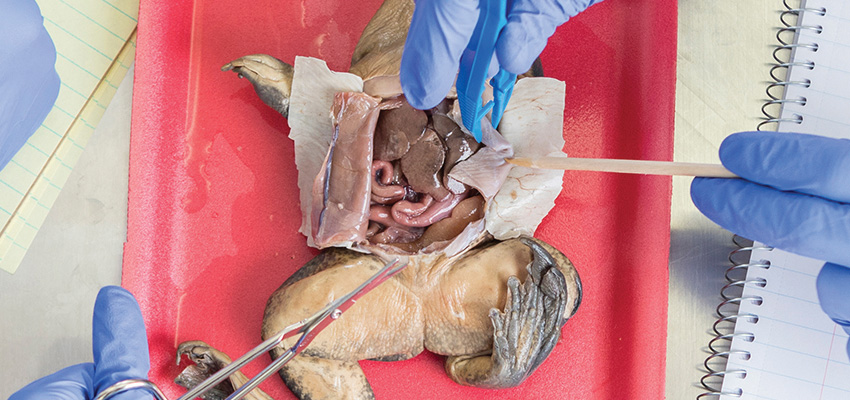
This lesson explores frog anatomy and how frog structures and functions relate to human anatomy. Students dissect a frog in small groups, identifying and classifying the organs according to their functional group. After the dissection, groups present one system and compare their findings and classifications with other groups’ systems.
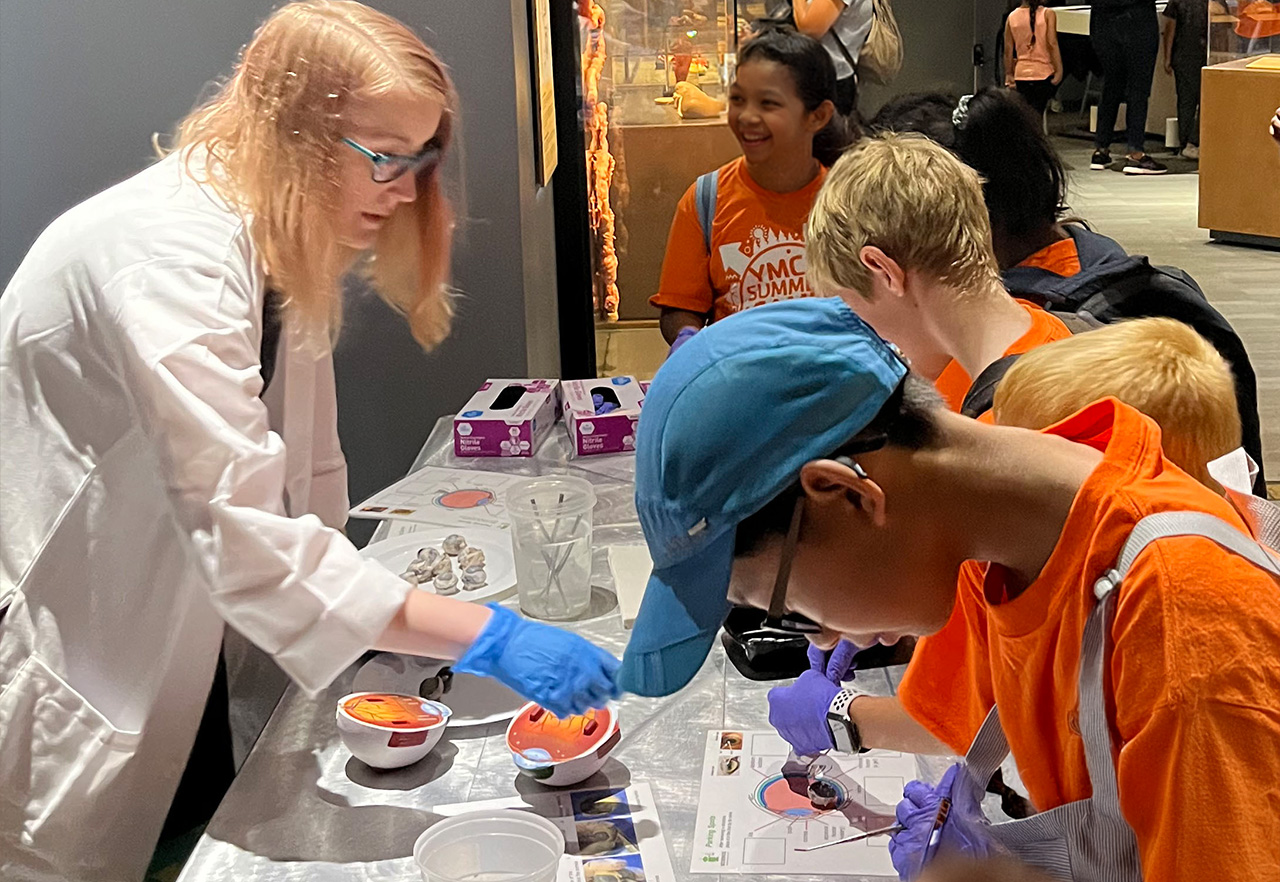
Eye Dissection
Students work in pairs to dissect and explore the anatomy of a preserved sheep eye. The lesson ends with a review of mammalian eye anatomy and the basic mechanics of vision.
Heart Dissection
Students prepare for the dissection by sketching and asking questions about the heart. After an orientation to the heart’s surface features and identification of external structures and vessels, students work in small groups to complete a dissection of a preserved sheep heart to identify key internal structures. Afterward, the class will review the basic pathways of blood flow and the physiology of heart function.

STEM Explorations are for you if you're looking to:

  • Give students the opportunity to experience dynamic hands-on, minds-on STEM experiences
  • Allow students to engage with real role-model scientists
  • Demonstrate how STEM relates to exciting career paths
  • Support curriculum gaps (engineering, chemistry, environmental science, or dissections)
  • Feature new ideas for STEM Week activities

STEM Explorations can be served at:

  • Public schools
  • Charter schools
  • Private schools
  • Magnet schools
  • Homeschool cooperatives

SciSci’s STEM Explorations program is a great option for schools outside of our service area!

parallax background

STEM Explorations service area

Contact us to learn more about how we can work with your school or district.

Anywhere virtually

Who are our Scientist Educators?

SciSci’s educator team are individuals with degrees in STEM and/or STEM industry experience. All of our scientist educators participate in training and ongoing professional development to ensure high-quality program delivery. View our full SciSci team here.

What teachers say

  • My students get to do more in-depth experiments that they otherwise would not be able to. They always ask when their next visit will be and are always so excited when they come! After visits, my students continue to talk about and connect the experiments with what we are learning about that year (frog dissection, and human body systems, states of matter and dry ice, gravity/engineering/space travel with the egg drop/rover).
    Middle School Teacher - Revere, MA
  • The students have really enjoyed doing experiments that they otherwise would not have access to. The one they talk about the most is the sheep eye dissection.
    Elementary Teacher - CA
  • The Science from Scientists visits are amazing for our students. Our demographic isn't typically exposed to any type of science education except for what is done at school. The science classes help educate our students on a very broad range of science content that is very very engaging. The students got to do dissections. During class when they share out their ideas they use the science vocabulary to explain themselves. It's great!
    Elementary Teacher - CA

STEM Explorations program pricing

SciSci's STEM Explorations program pricing is based on the number of grades, classrooms, and number of visits, and topic.

Examples of how schools typically pay for SciSci Explorations programming include:

  • Title 4 grant funding
  • Curriculum and textbook funding
  • Supplemental curriculum funding
  • STEM Education funding
  • Outreach program funding