Half-year and full-year programs
In-School Module-Based program
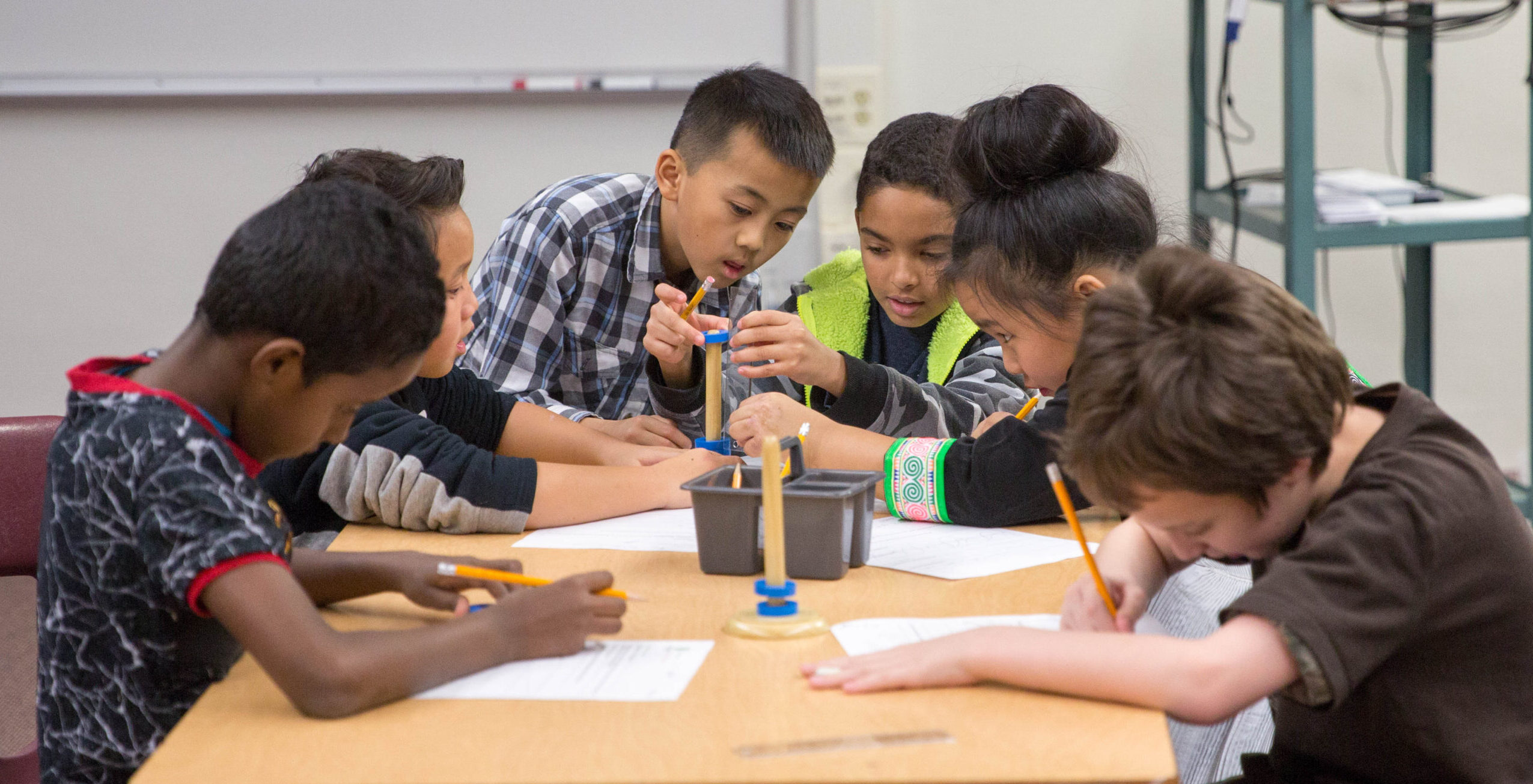
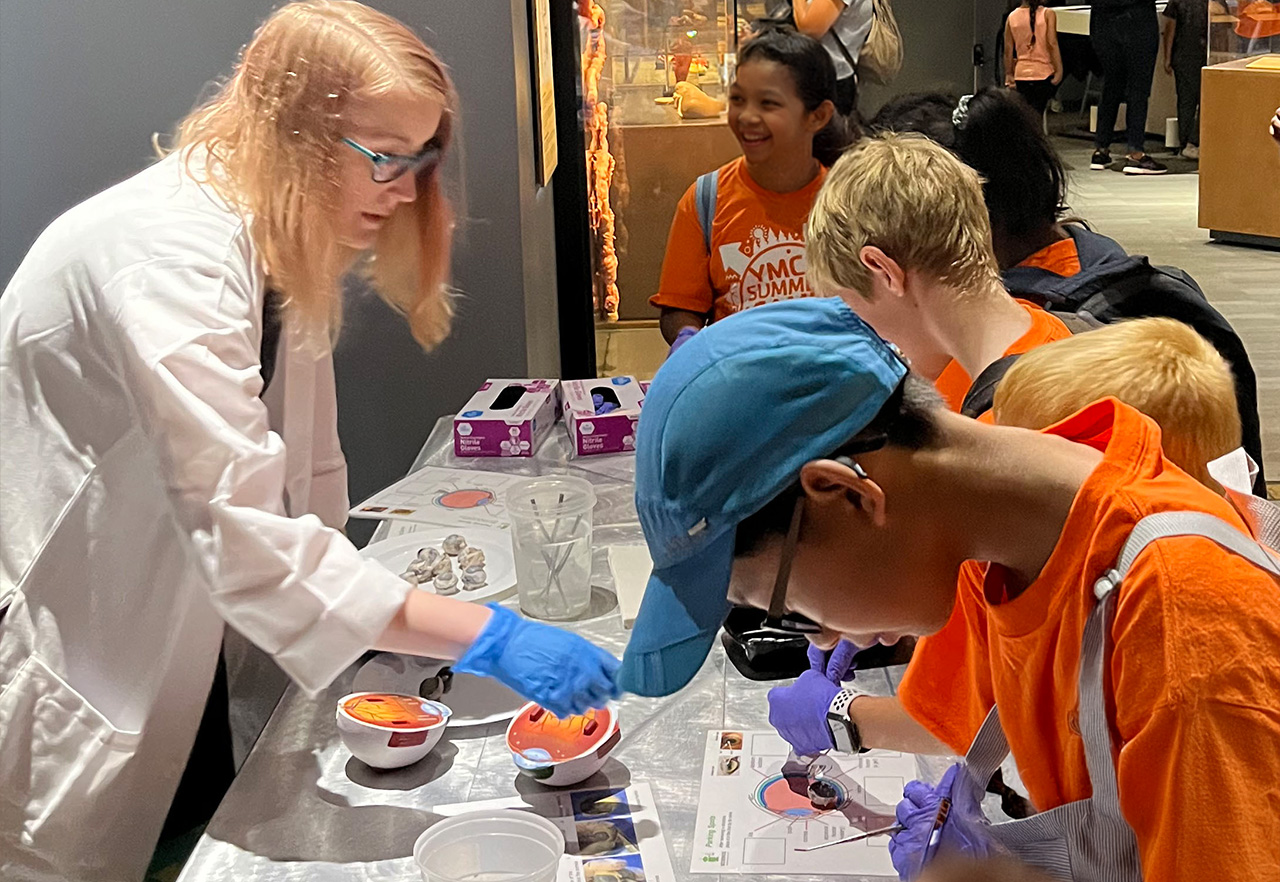
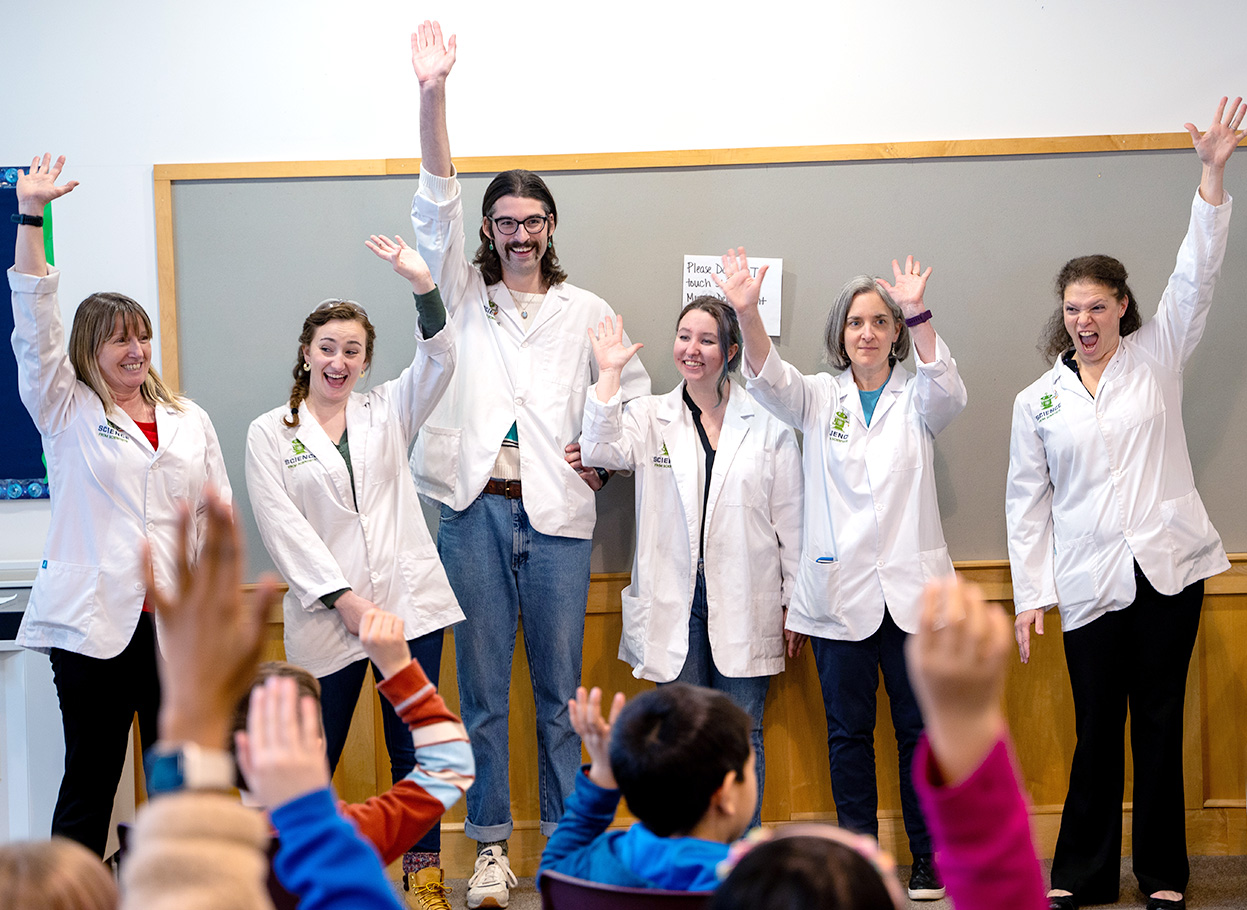
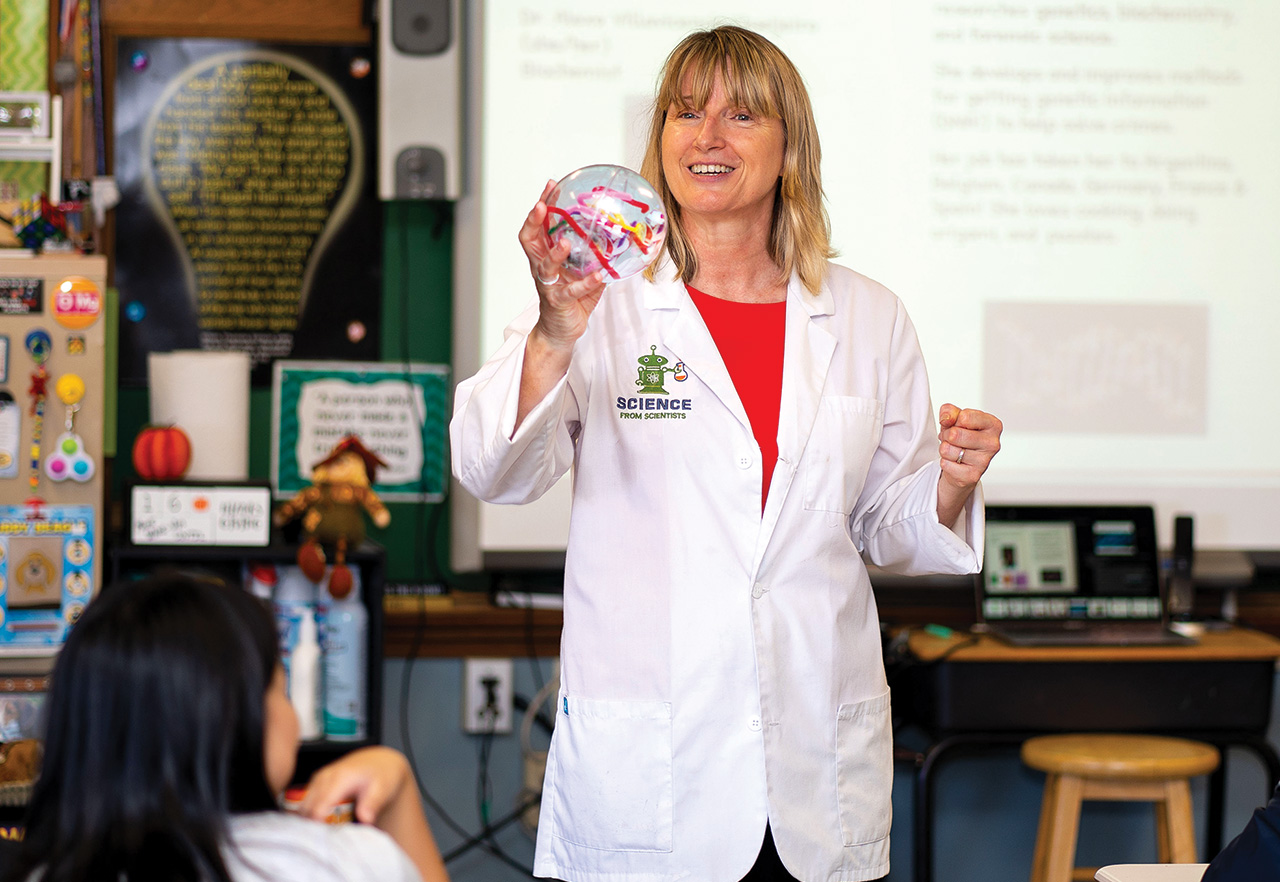
Science from Scientists’ In-School Module-Based (ISMB) program takes an innovative approach to STEM education. We send two Scientist Educators into classrooms every other week to provide hands-on, minds-on learning experiences for grades 3-8. This signature program is delivered during the school day and has been shown to improve student competence and confidence in STEM.
Have questions or ready to get started?
Skip right to this form to take the first step.
Numbers served for the 2024-2025 school year
Students
Classroom Teachers
Schools

Our ISMB program’s special features include:
Long-term partnership
We visit your classroom every other week for a half or full year, 8 or 16 visits, respectively.
Low student-to-facilitator ratio
We send two Scientist Educators, ensuring efficient materials management and ample one-on-one and small-group contact with students.
All materials included
We bring everything needed for every student to actively engage in hands-on, minds-on learning.
For all students
Every student in the classroom participates, not just those who have the means to participate in extracurricular STEM activities.
Real STEM role models
Our educators have degrees in STEM and/or STEM industry experience.
Standards-aligned
We have over 100 lessons tied to state standards, Next Generation Science Standards (NGSS), Science and Engineering Practices (SEPs), and Crosscutting Concepts (CCCs).
Why choose ISMB?
- Empower student science skills, conceptual understanding, and academic growth.
- Increase student interest and confidence in doing STEM as well as awareness of and interest in STEM careers.
- Provide students access to real scientist and engineer role models.
- Support teachers with high-quality, standards-aligned science learning experiences and materials.
- Inspire teacher confidence and expertise as science educators.
Who is ISMB for?
- Public Schools
- Charter Schools
- Private Schools
- Magnet Schools
Our ISMB program is also available as a virtual option for schools outside of our service area!

Measurable impact
Students who participate in ISMB demonstrate improvement in learning, confidence, awareness, and interest in STEM.
Increased Awareness and Interest in STEM
Compared to before SciSci programming, 77% of partner teachers report that their students know more about different jobs that use STEM, and 82% know/know of real people who have STEM jobs.
Increased STEM confidence
Believe they could work in STEM
Increased Student Confidence
Compared to before SciSci programming, 88% of partner teachers report that their students see themselves as more capable of doing science, and 77% report that their students believe they could work in STEM someday.
Increased Student Learning
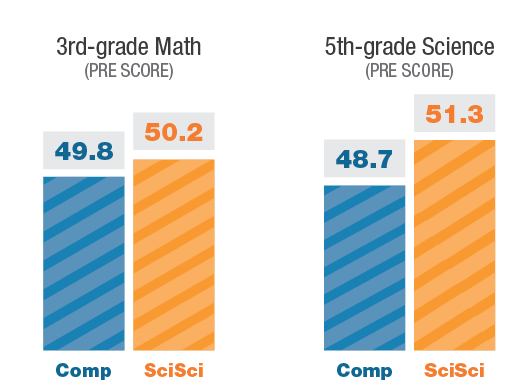
A 2020 matched pairs study conducted by SciSci and a partner school district showed that fifth-grade students who participated in SciSci programming had a 10% higher proficiency score relative to a comparison group of nonparticipating peers.
ISMB lessons and topics
Who are our Scientist Educators?
SciSci’s educator team are individuals with degrees in STEM and/or STEM industry experience. All of our scientist educators participate in training and ongoing professional development to ensure high-quality program delivery. View our full SciSci team here.
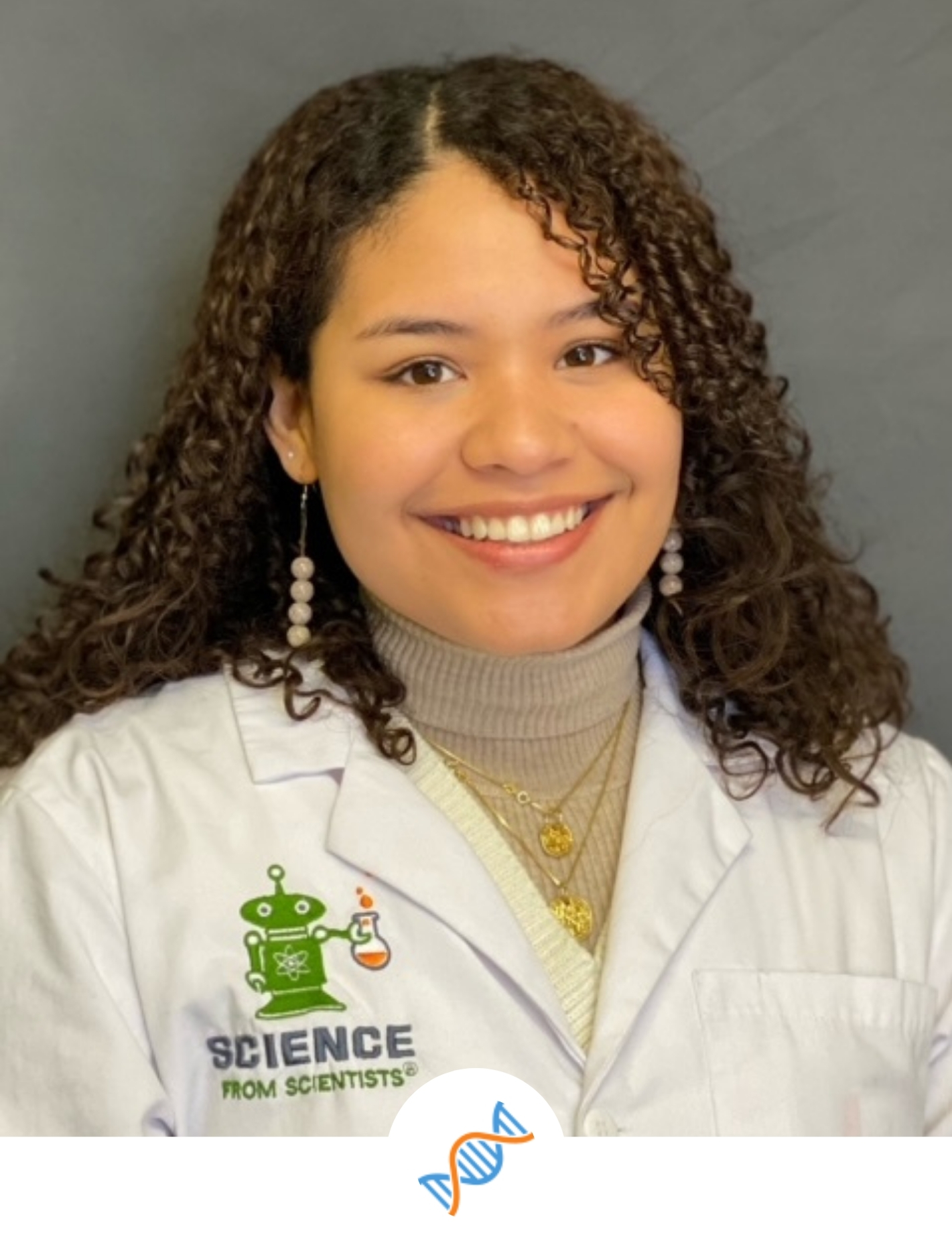
Barbara Sabino Pina
Biochemist
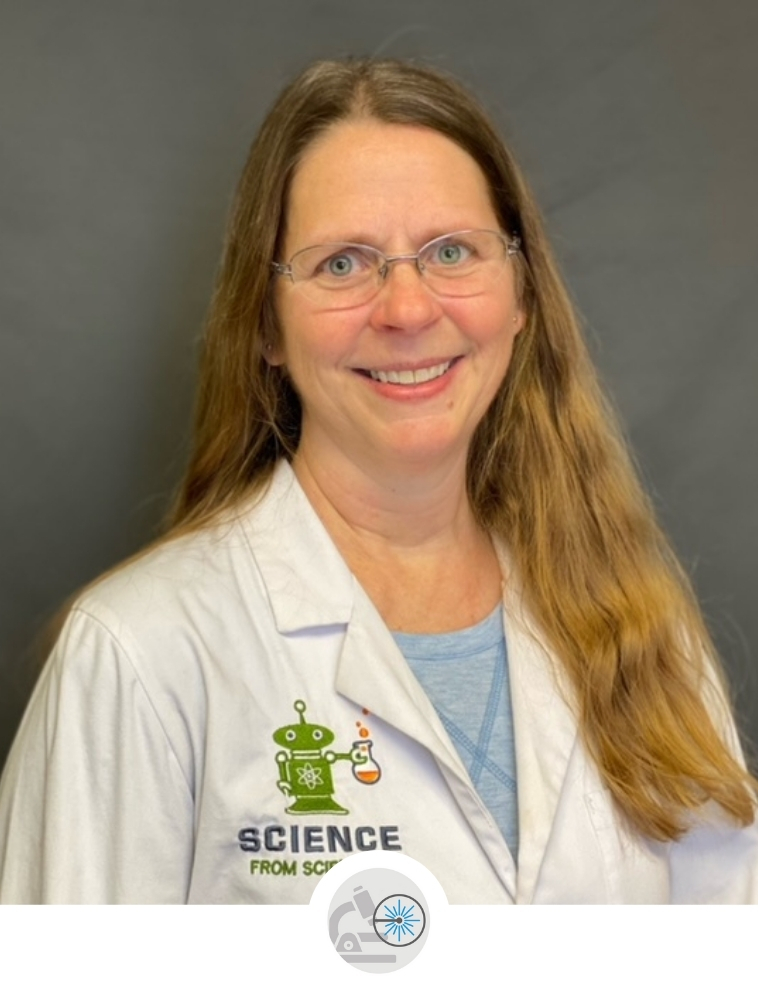
Dr. Renee Nesnidal, PhD
Physicist, Senior Manager of Education
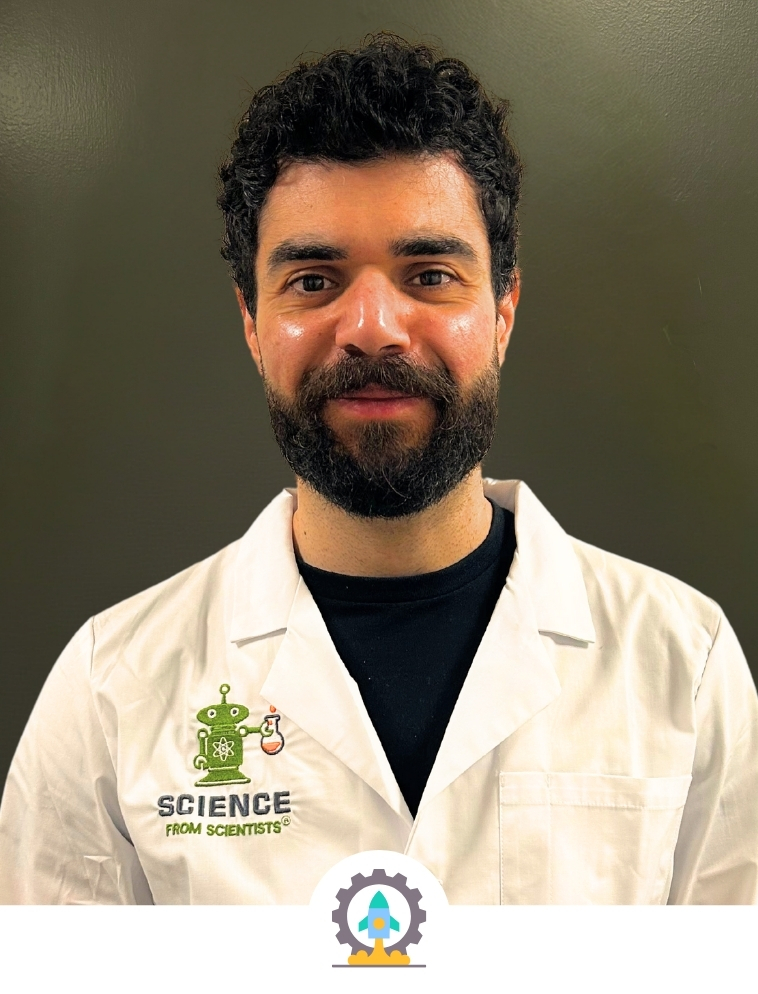
Mike Chalak
Aerospace Engineer
What teachers say

ISMB program pricing
ISMB program pricing is based on the number of grades, classrooms, and the total number of visits.
Examples of how schools typically pay for SciSci ISMB programming:
- Title 4 grant funding
- Teacher professional development funding
- Curriculum and textbook funding
- Supplemental curriculum funding
- STEM Education funding
- Outreach program funding
For qualifying schools, our team can work with your school or district to help secure funding.
As a nonprofit, we have generous donors who help to offset program costs for schools that need support.