



Full curriculum
Grade 2 full science curriculum
Science from Scientists (SciSci) offers a fully supported Grade 2 science curriculum where classroom teachers receive ready-to-teach lesson kits. Currently, SciSci offers 8 mini-units. Each mini-unit is comprised of four lessons where classroom teachers teach 3 of the 4 lessons independently. A SciSci Scientist Educator comes to the classroom to lead one of the four hands-on, minds-on science lessons. Classroom teachers love that there’s no inventory, minimal prep time, and dynamic in-classroom support from real scientists and engineers.
“Our teachers were provided with guidance, modeling, prepared lessons, and sourced materials that ensured they were able to deliver high-quality lessons and experiences to their students.”
- Melissa Lomas, principal
Have questions or ready to get started?
Skip right to this form to take the first step.

Our Grade 2 full curriculum features include:
Ready-to-teach hands-on materials
We deliver (and pick up) all supplies and materials so teachers can focus their energy on facilitating a great science experience with their students. Kits are packed ready to distribute, minimizing prep time.
Physical and digital materials
All lesson plans are printed and ready to use. Teachers also have access to SciSci’s Teacher Portal for digital presentation materials.
Multilingual language learner support
SciSci lessons incorporate research-based practices for teaching students with emerging English language skills. Units also include curated book lists from Epic! that are leveled for all the young readers in your classroom.
Teacher-tested, Student-approved!
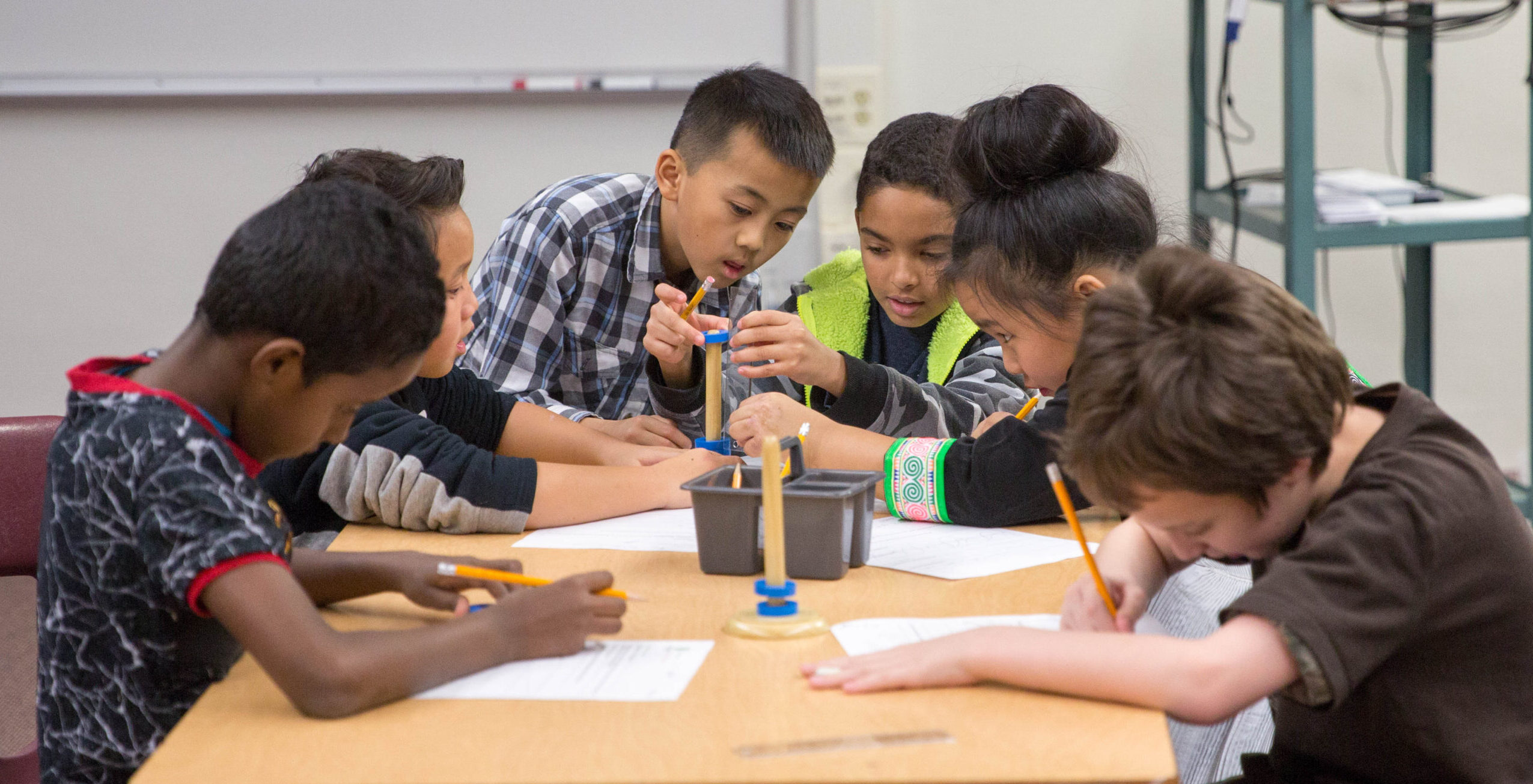
Teachers report feeling more confident teaching science with SciSci. Students love the lessons and learn with hands-on materials that are so engaging that it feels like play!
Real STEM role models
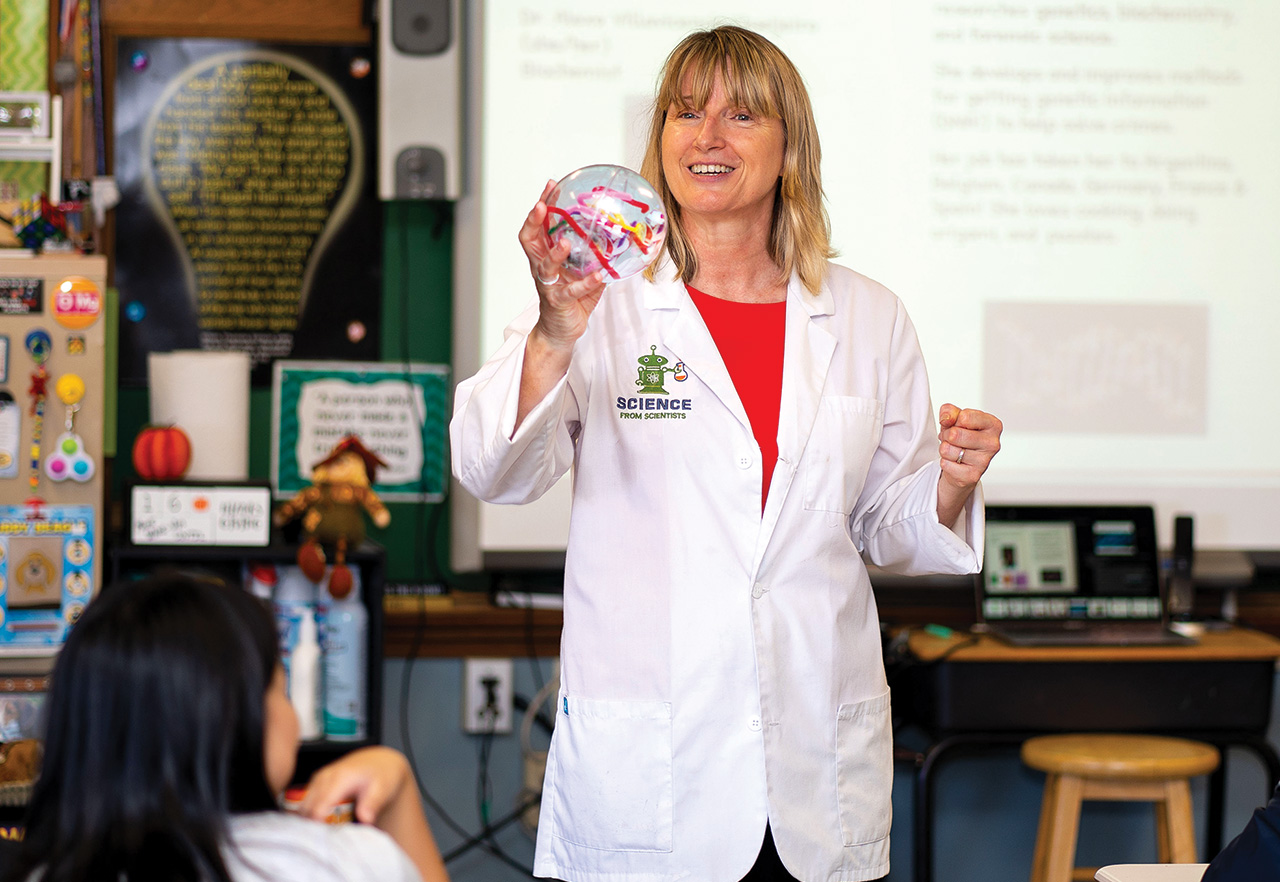
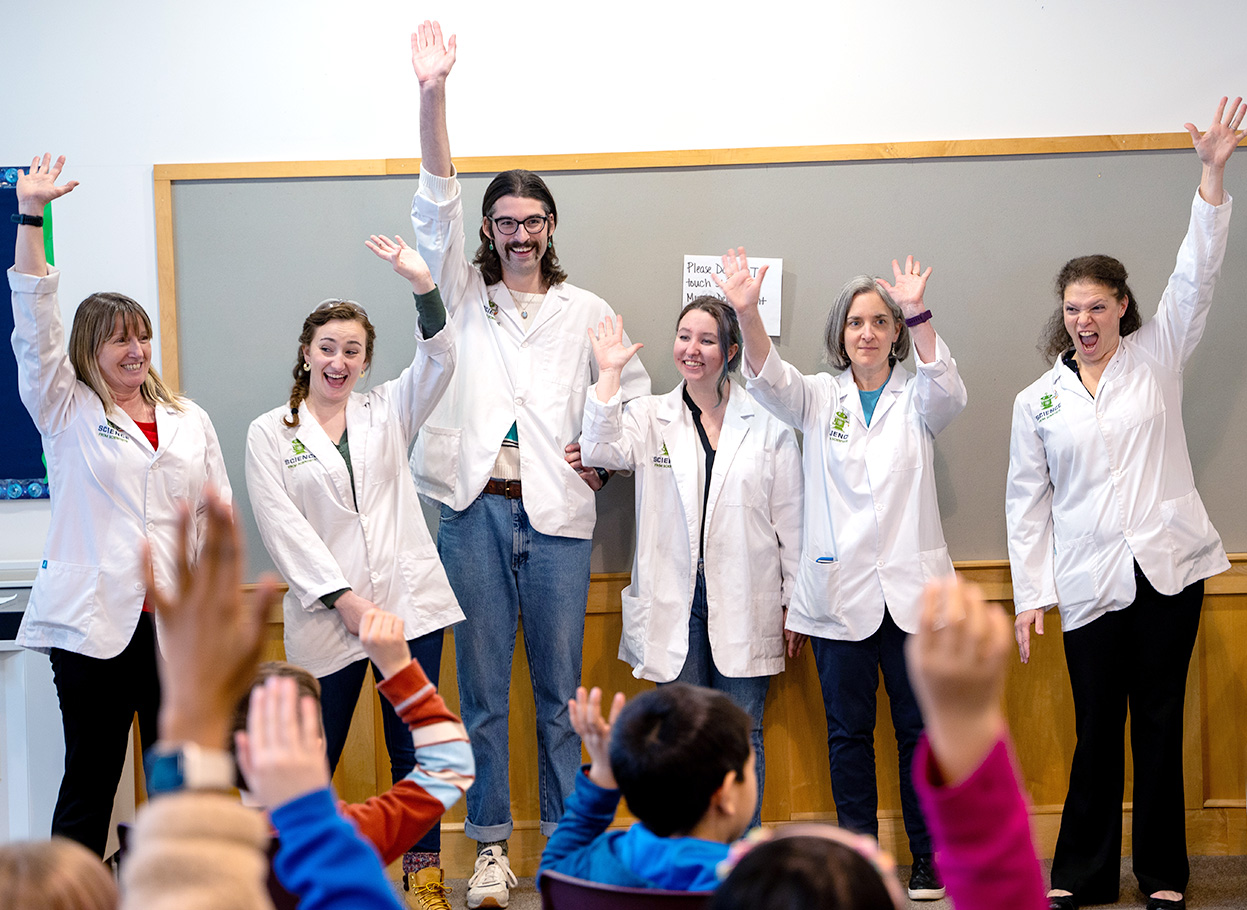
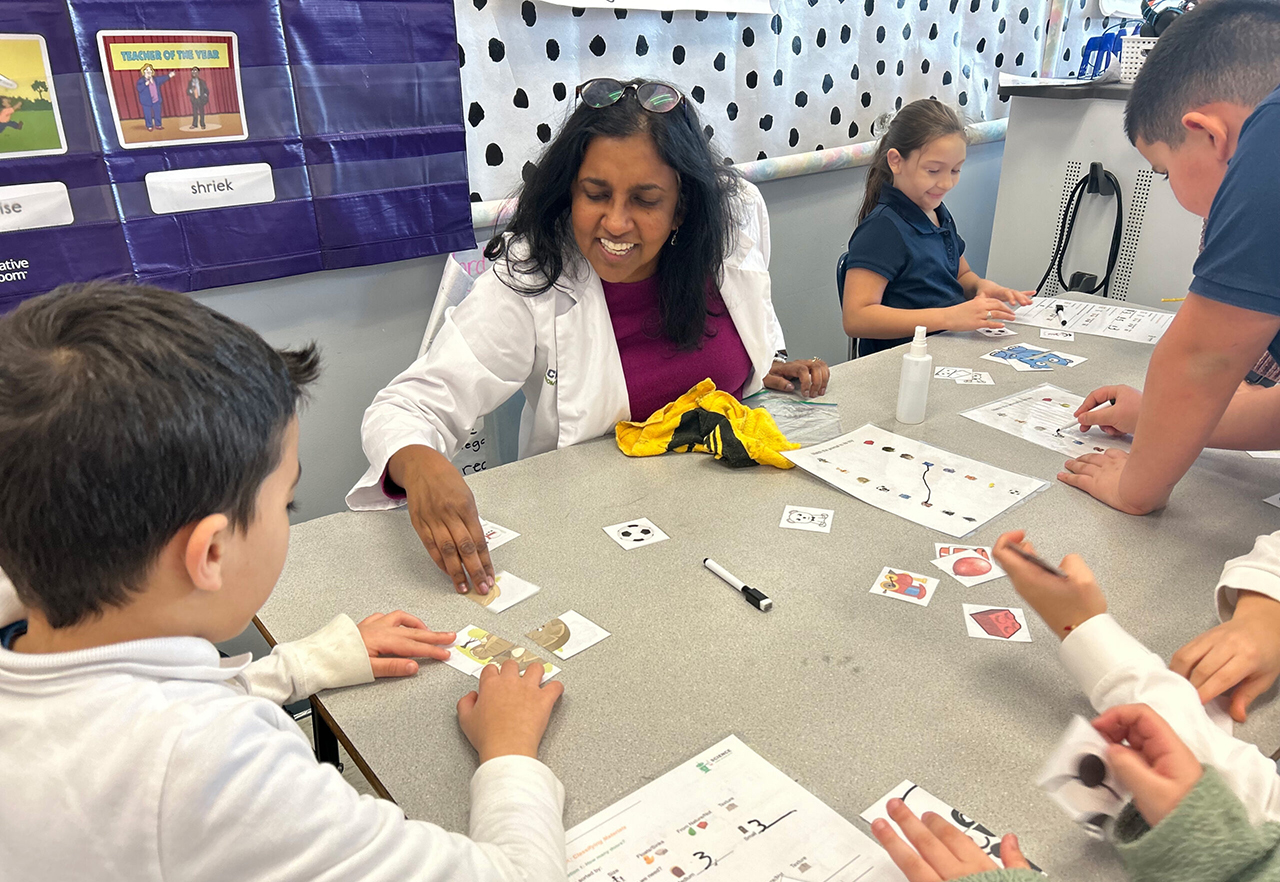
Professional SciSci Scientist Educators collaborate closely with classroom teachers to lead robust hands-on, minds-on STEM experiences as part of each unit.
Standards-aligned
All SciSci Grade 2 science curriculum is designed with the latest teaching best practices and is aligned with state and Next Generation Science Standards (NGSS).
How the curriculum works
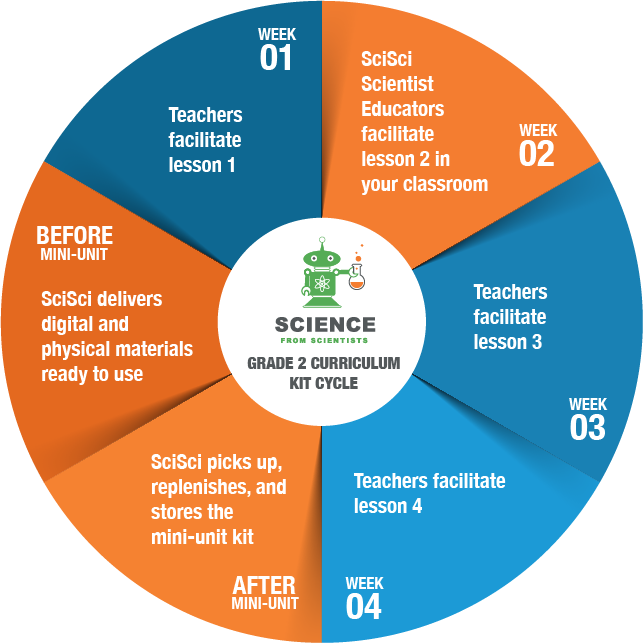
Built on the 5E Framework (Engage – Explore – Explain – Evaluate – Elaborate) each SciSci unit contains 4 science lessons focused on an overarching guiding question. SciSci delivers all lesson supplies to the school before each unit starts.
Lesson 1
Classroom teachers introduce the scientific concept and engage students with phenomena. Teachers facilitate student observations, questions, and understanding; uncover prior knowledge, and build the foundation for future learning.
Lesson 2
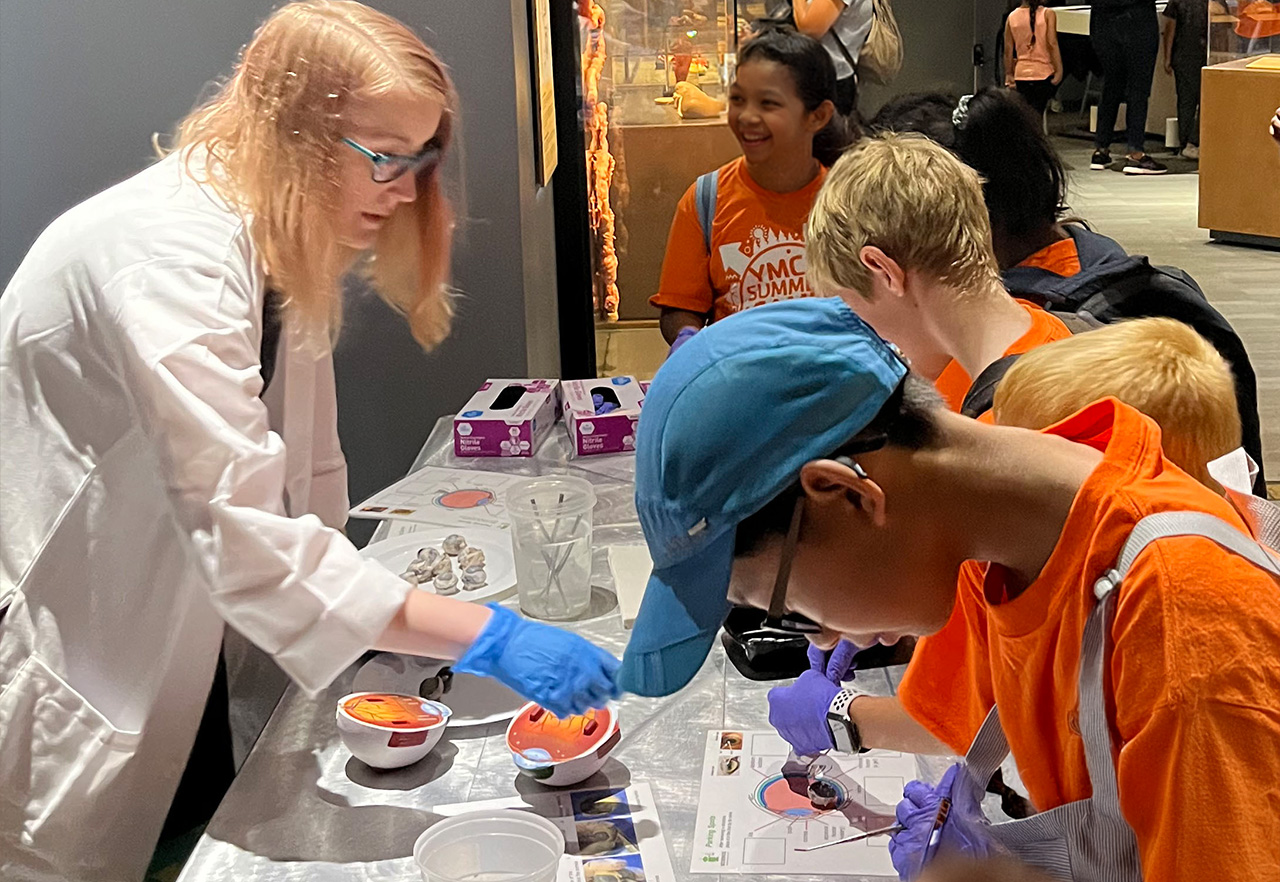
SciSci Scientist Educators bring all supplies to lead a robust hands-on, minds-on STEM experience to spark curiosity, practice problem-solving, guide sensemaking, and make career connections.
Lesson 3
Classroom teachers guide students in sensemaking activities related to previous lessons. Students articulate their understanding and practice STEM skills.
Lesson 4
Students apply their understanding and skills in new contexts and demonstrate learning, e.g., through writing, speaking, and drawing. Teachers assess student learning.
Bringing SciSci educators into the classroom
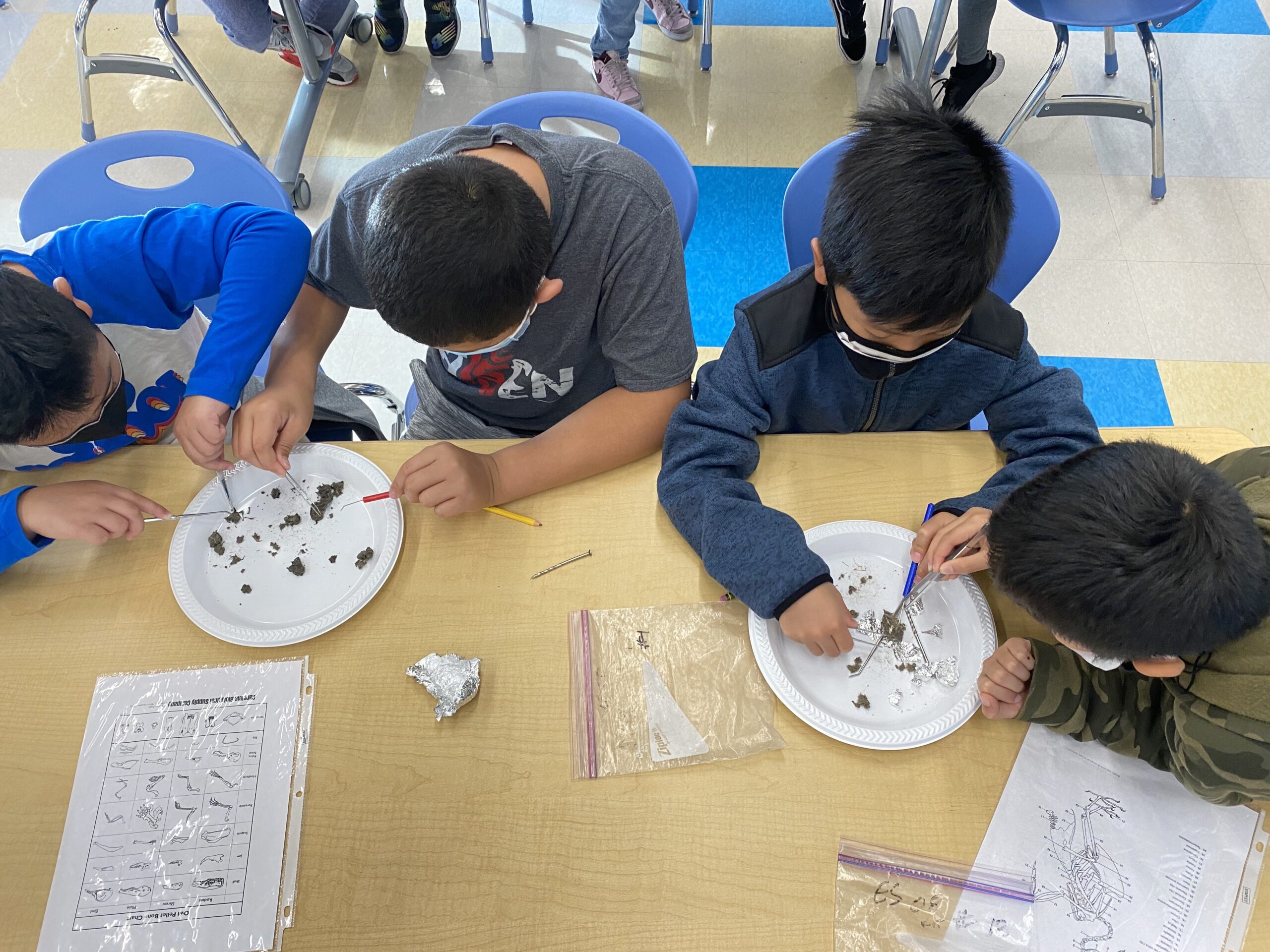
90% of our partner teachers surveyed report that getting ideas from watching someone else teach their students is an important aspect of our program.
Grade 2 curriculum mini-unit options
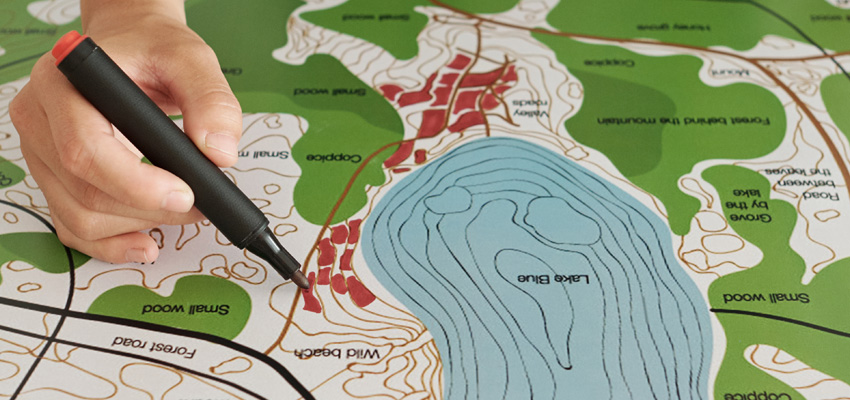
Landforms and Maps
Students make and read many kinds of maps, model landforms, and hone their map reading skills. They practice recognizing solid and liquid water and explore how the shape of the land influences whether water gathers in oceans, lakes, rivers, or ponds.

Blowing in the Wind
Students explore how wind and water change the shape of the land. They discover how features of the land impact erosion and then create a model that reduces wind erosion. They run an erosion relay race and explore weathering with chalk art.
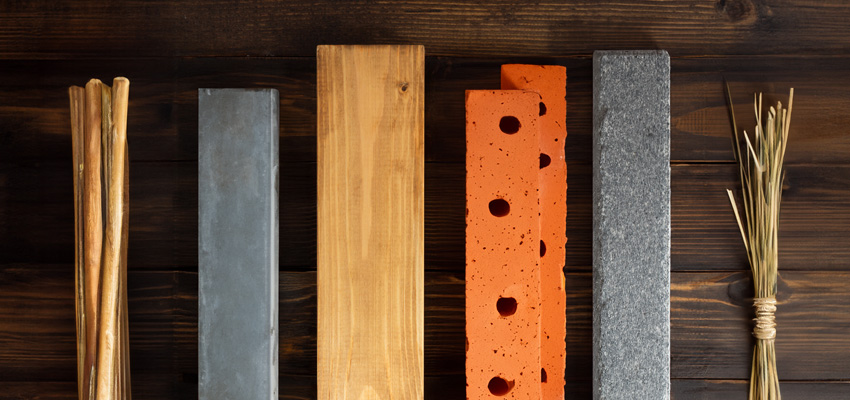
Which is Best
Students identify observable properties and use those properties to classify different objects. They then think like engineers to use observable properties to solve problems at a zoo. Students also test a variety of materials to determine which materials work best in different situations. Finally, using the story of the 3 Little Pigs, they test materials and design a wolf-proof house.
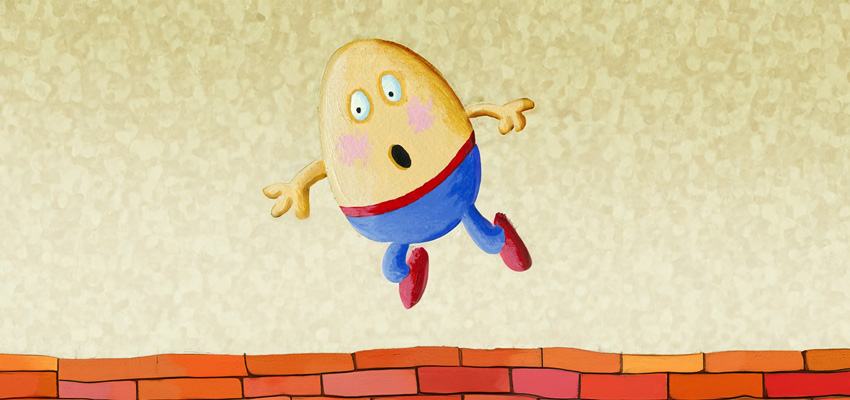
Reversible or Not
Students explore and discover how larger items can be broken down into smaller pieces. Then, students investigate heating and cooling of different substances to develop explanations for how some changes are reversible, while others are not. They also develop models to show reversible and irreversible changes.

Forces and Motion
Students explore how balanced and unbalanced forces affect the motion of an object. Then they experiment with sliding objects and discover that friction causes objects to slide better on some surfaces than others. They also look at the changes in temperature associated with frictional forces.

Weather Engineering
Students learn about the steps of the engineering design process. They use those steps to design solutions to create a shelter to protect a bunny from different kinds of weather. Then they analyze their solutions to find the strengths and weaknesses of their designs.
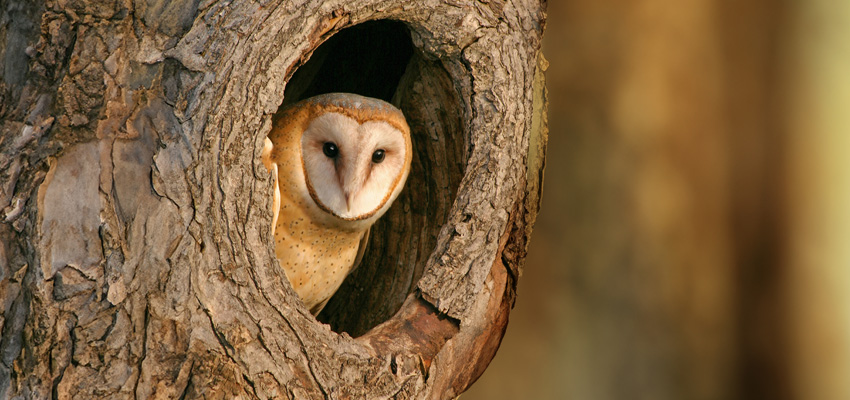
Who Lives in this Habitat
Students study the diversity of organisms in different habitats. They compare plants and animals that can be found in different habitats and consider organisms that can live in many habitats and ones that only live in specific habitats.
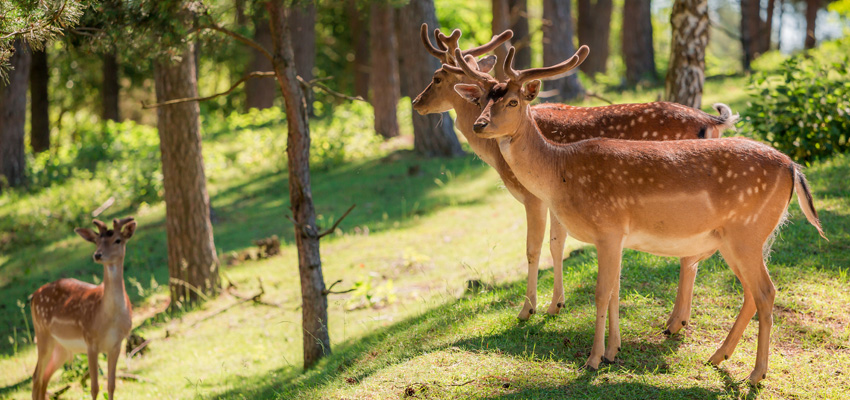
Organisms and their Environment
Students deepen their understanding of how plants and animals depend on their environment to meet their needs. They play a game to model how not all organisms can survive in all environments and predict what happens to organisms if and when their environment changes.




Grade 2 full curriculum program pricing
Science from Scientists has competitive pricing for schools and districts. Please schedule time with us for an overview of how the program pricing works and pricing details.
Examples of how schools typically pay for SciSci Grade 2 programming:
- Title 4 grant funding
- Curriculum and textbook funding
- Supplemental curriculum funding
- STEM Education funding
- Outreach program funding
Special pricing to try our curriculum is also available. No long-term agreements are required. Contact us to learn more.
