




Science from Scientists In the Field ( ITF)
Science from Scientists In The Field (SciSci ITF) is developing world-leading conservation projects and, through its parent, Science from Scientists, leveraging the impact of those projects by bringing them into the classroom. The use of low-cost, AI-enabled robots represents a new approach to some of the planet's most challenging conservation challenges. Providing equitable, accurate, and relevant Science, Technology, Engineering, and Math (STEM) education is pivotal to our future. Yet, the current state reflects substantial disparities and challenges.
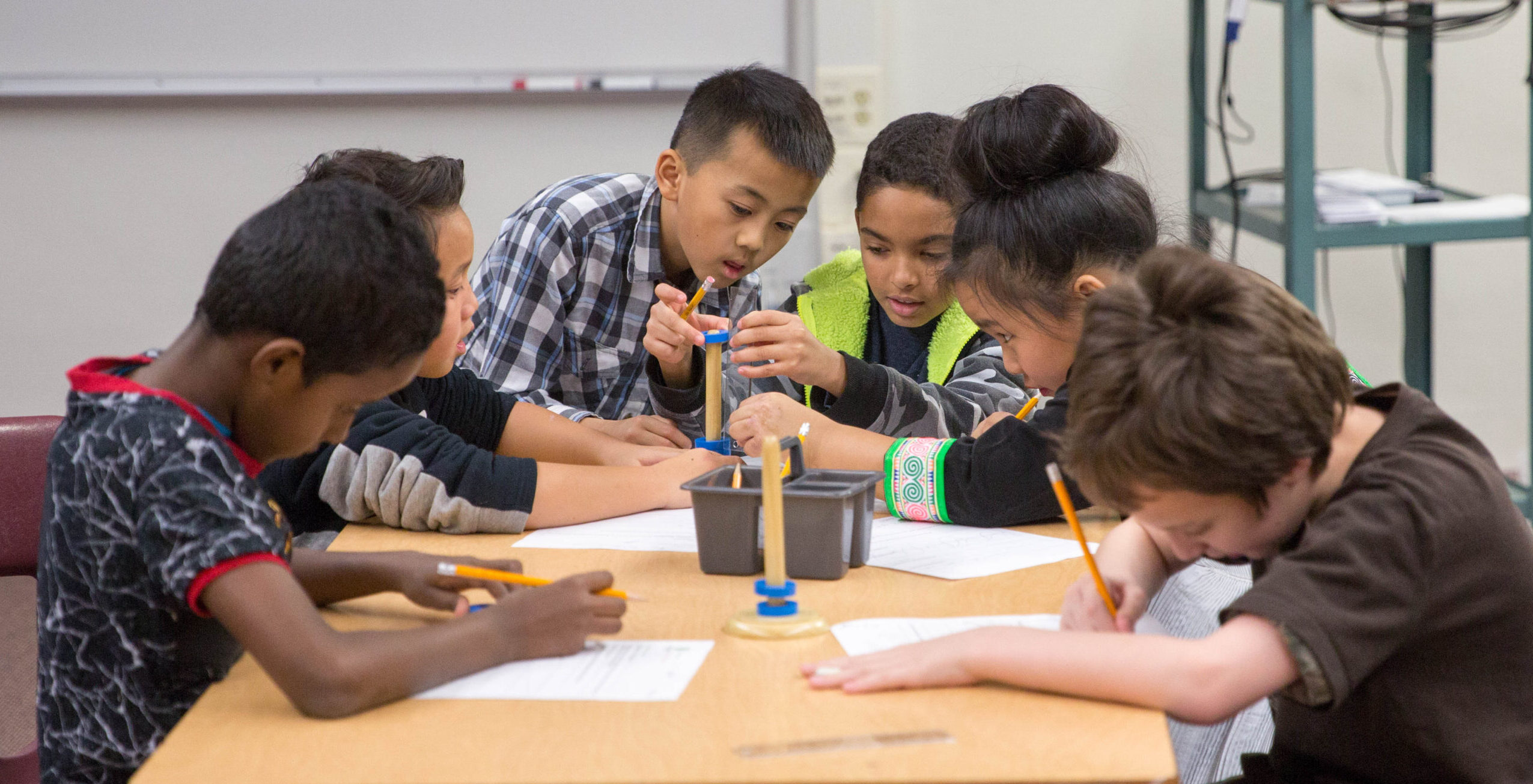
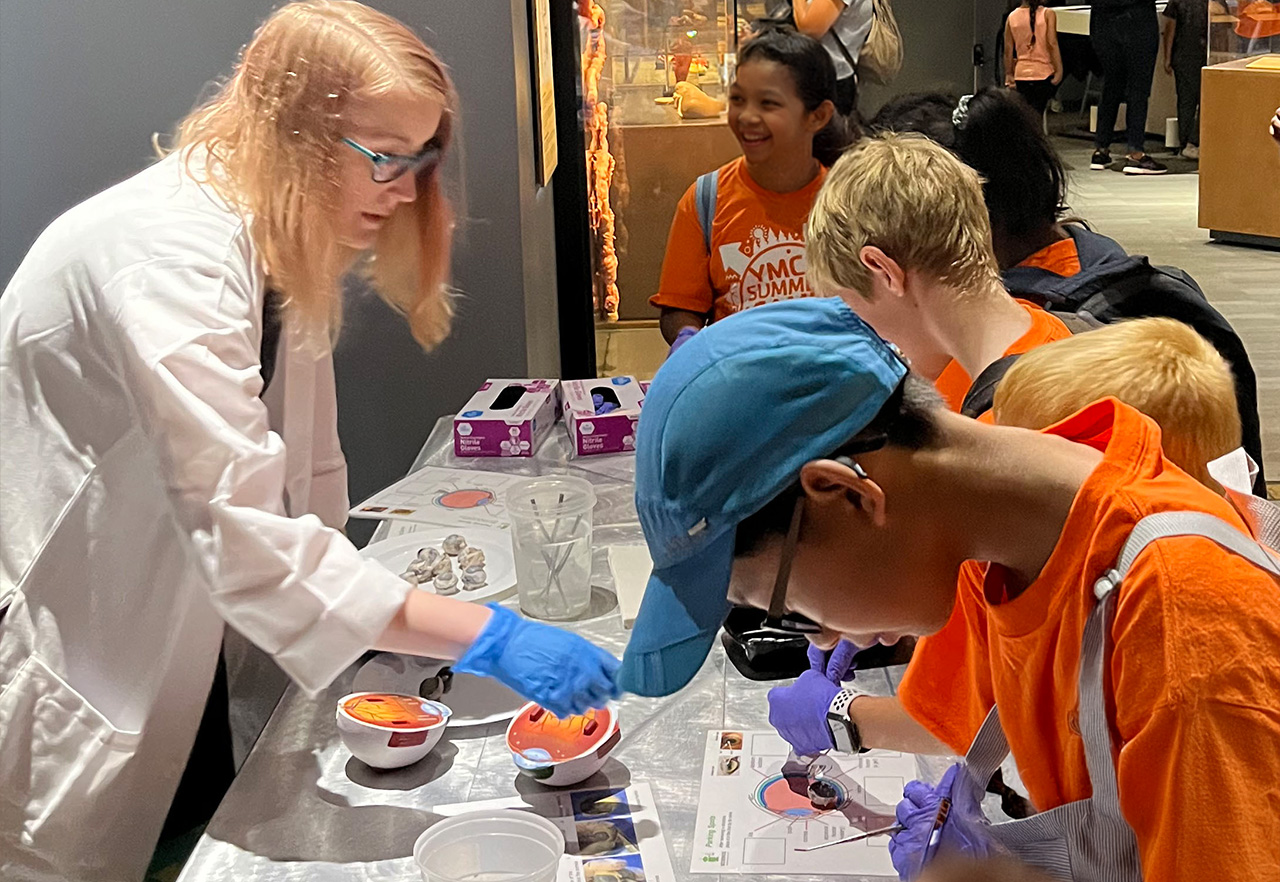
With the U.S. facing a STEM education crisis, where students rank shockingly low in science literacy and achievement gaps persist across communities, our program stands as a new approach to providing equitable, engaging, and effective STEM education experiences.
We also face stubborn and worsening conservation challenges around the world. While climate change rightfully gets significant attention, invasive species threatening our marine ecosystems, ocean plastics poisoning our food chain, and even the intractable challenge of poaching driving precious species hurtling toward extinction demand attention as well. We desperately need new solutions, as traditional strategies have failed to turn the tide. Low-cost AI-enabled robotics can be the needed tool. And we are well on our way to the first challenge of controlling the invasive species, lionfish.

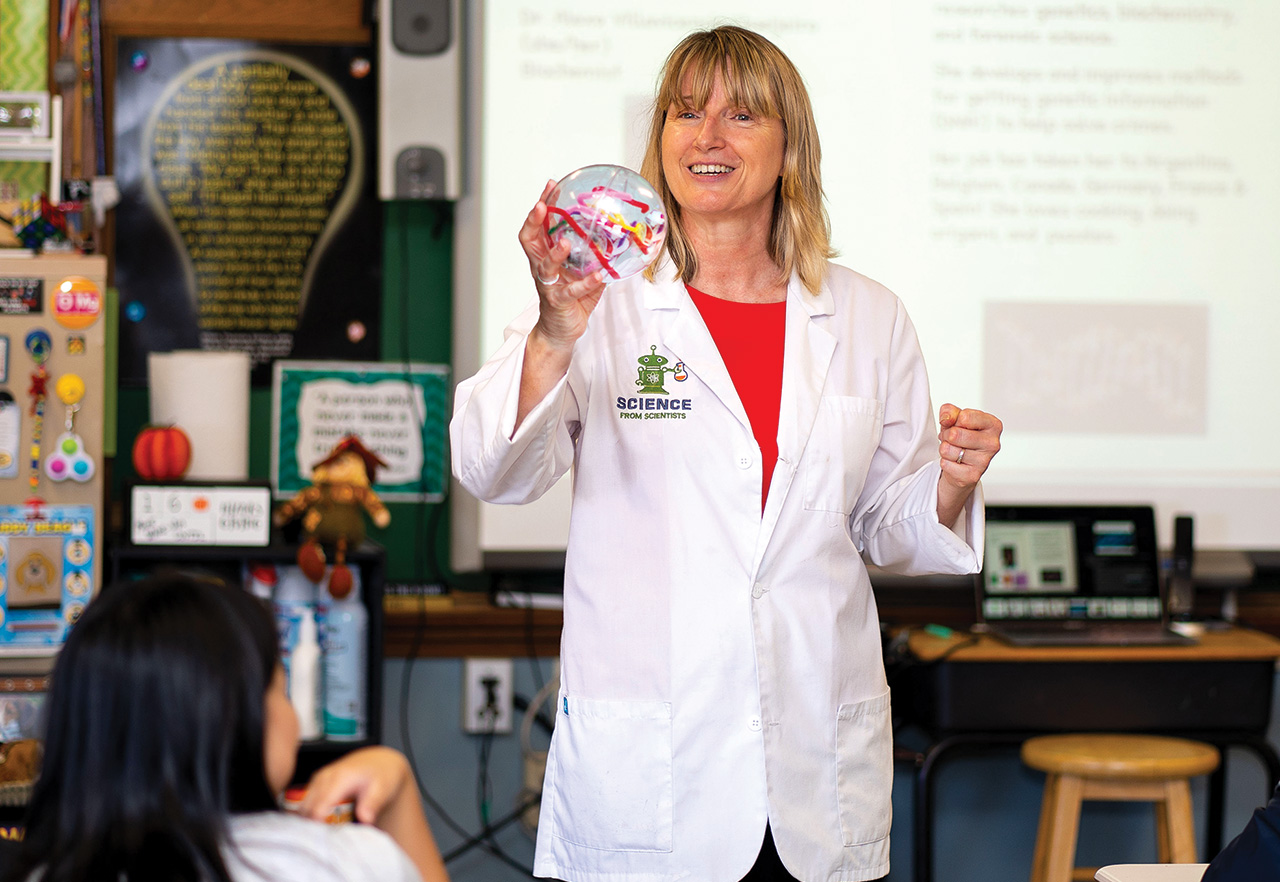
Science from Scientists’ mission is to teach and inspire the next generation to identify and solve real-world problems by improving STEM literacy.
The lionfish crisis
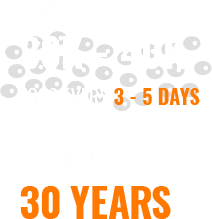
Lionfish are native to the Indian and Pacific Oceans and live there in a balanced ecosystem. In 1985 lionfish were spotted off the east coast of Florida, most likely introduced by aquarium owners discarding these fish into the ocean. Since then, lionfish have relentlessly invaded the Atlantic, with scientists estimating well over a million fish devastating reefs and fisheries in all warm water regions, especially around Florida, the Caribbean, and Bermuda. Moreover, the population continues to expand without check. Lionfish mature in 12 months and spawn 30,000 eggs every 4–5 days; 2 million eggs per year.
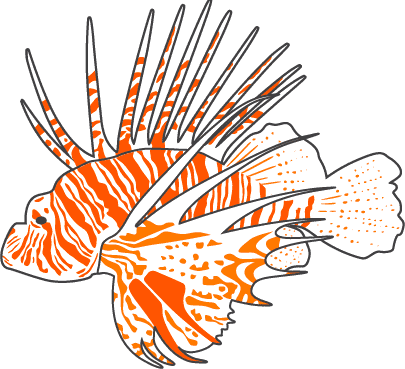
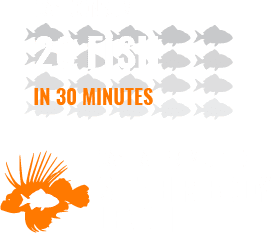
Lionfish are indiscriminate and voracious predators. They gorge on 70 species of reef fish and crustaceans and are capable of eating prey up to half their own size. A single lionfish can reduce the fish biomass on a reef by 80% in just one month. Lionfish are armed with 18 venomous spines making them an unattractive food source for other marine creatures. This apex predator has almost no natural predators of its own in the Atlantic. With no apparent limit to their population growth, other than water temperature, lionfish pose a threat to the fish stock of the western Atlantic.
A threat to coral reef ecosystems




The SciSci approach
SciSci’s In the Field (ITF) initiative focuses on using cutting-edge technology to enable novel solutions to conservation challenges. ITF leverages iRobot co-founder and SciSci Board Chairman Colin Angle's technical expertise and groundbreaking development of low-cost robotic solutions, the most well-known of which is the Roomba.
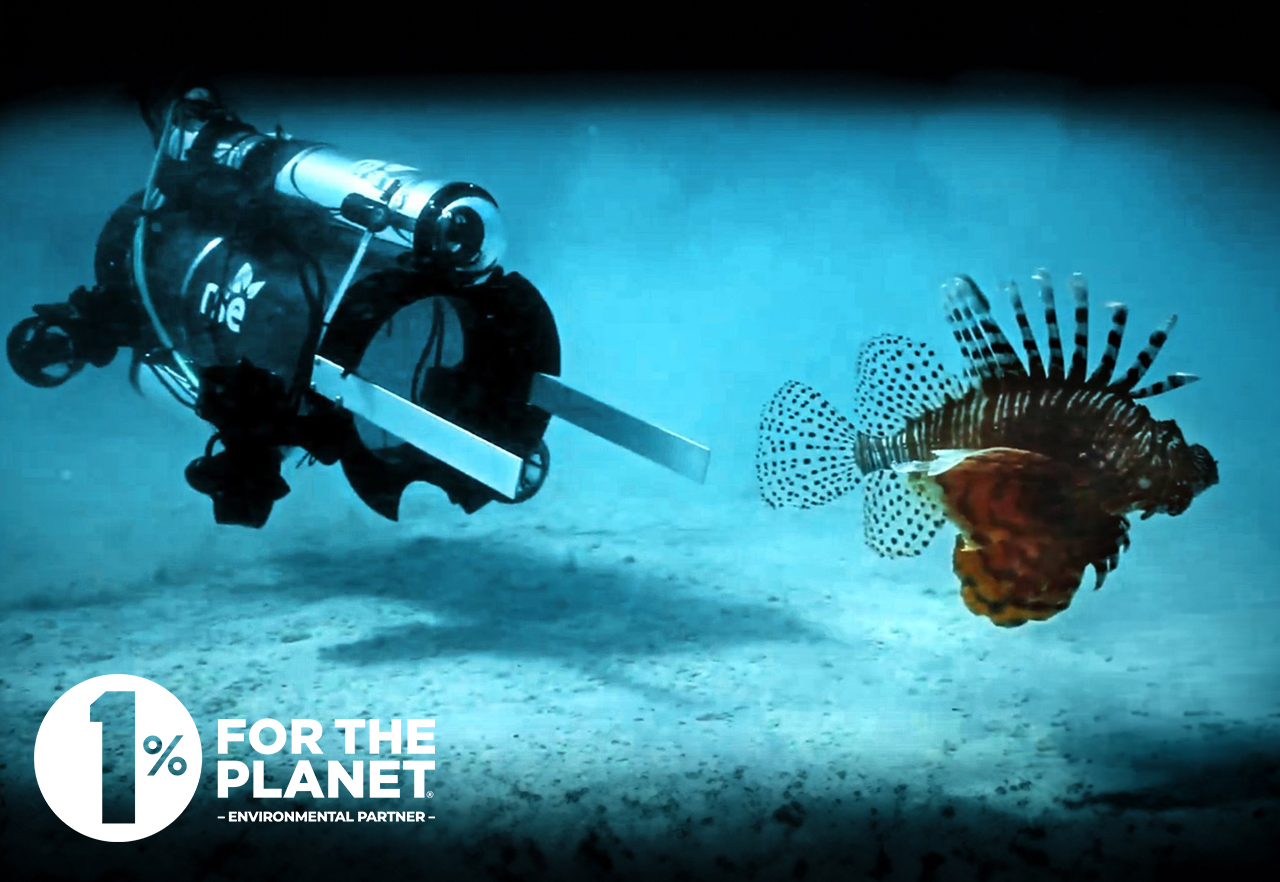
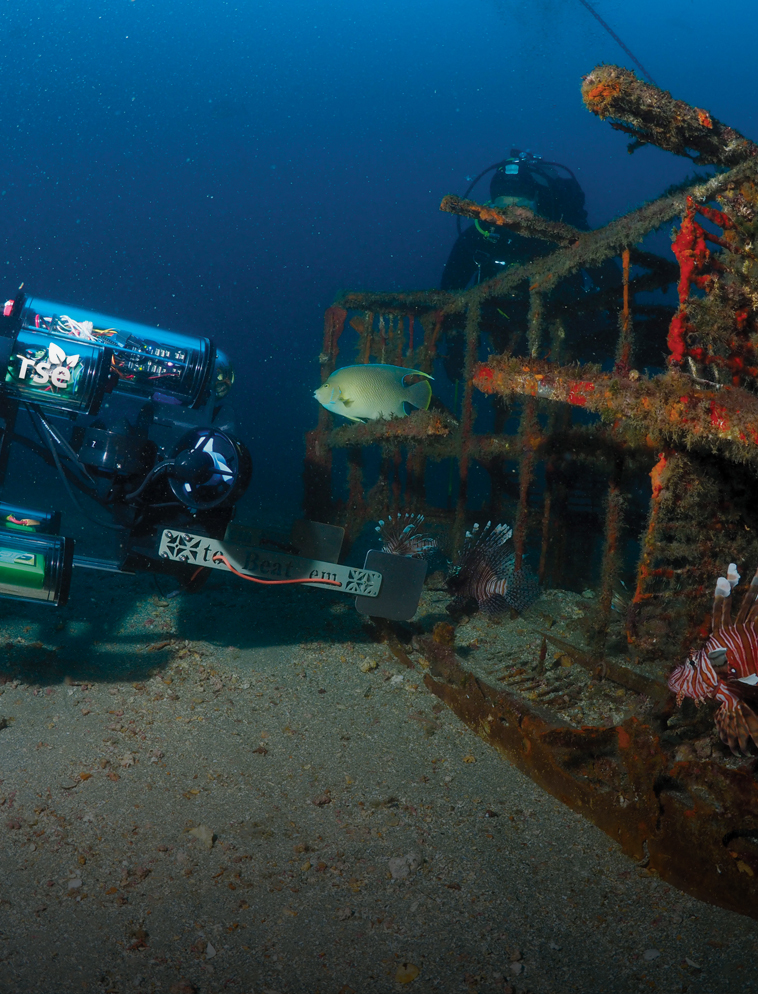
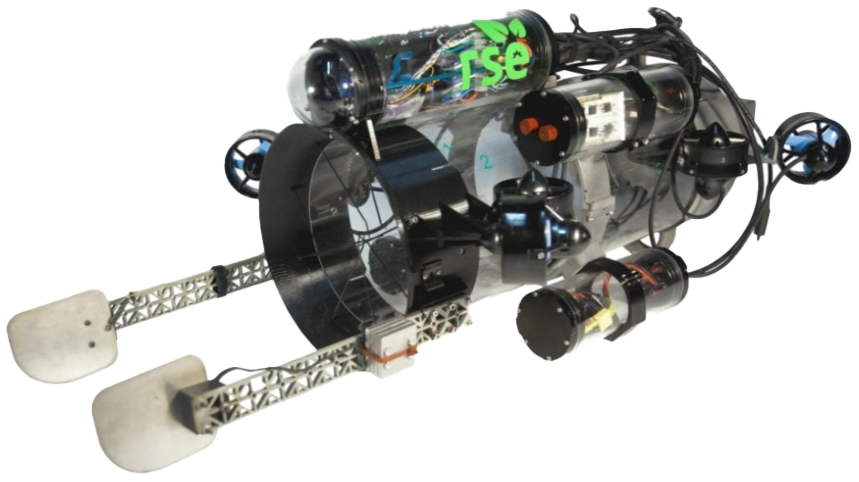
Our approach to solving the lionfish challenge is building a hyper-targeted fishing system using low-cost robotics. We start with an easily manufactured robotic lionfish capture robot. It is capable of operating at depths over 300 ft, where the lionfish breed. It uses electricity to stun the fish and then sucks them into the robot’s body. Capable of holding ten fish at a time, the system is designed to harvest 50-100 fish an hour.

The Guardian
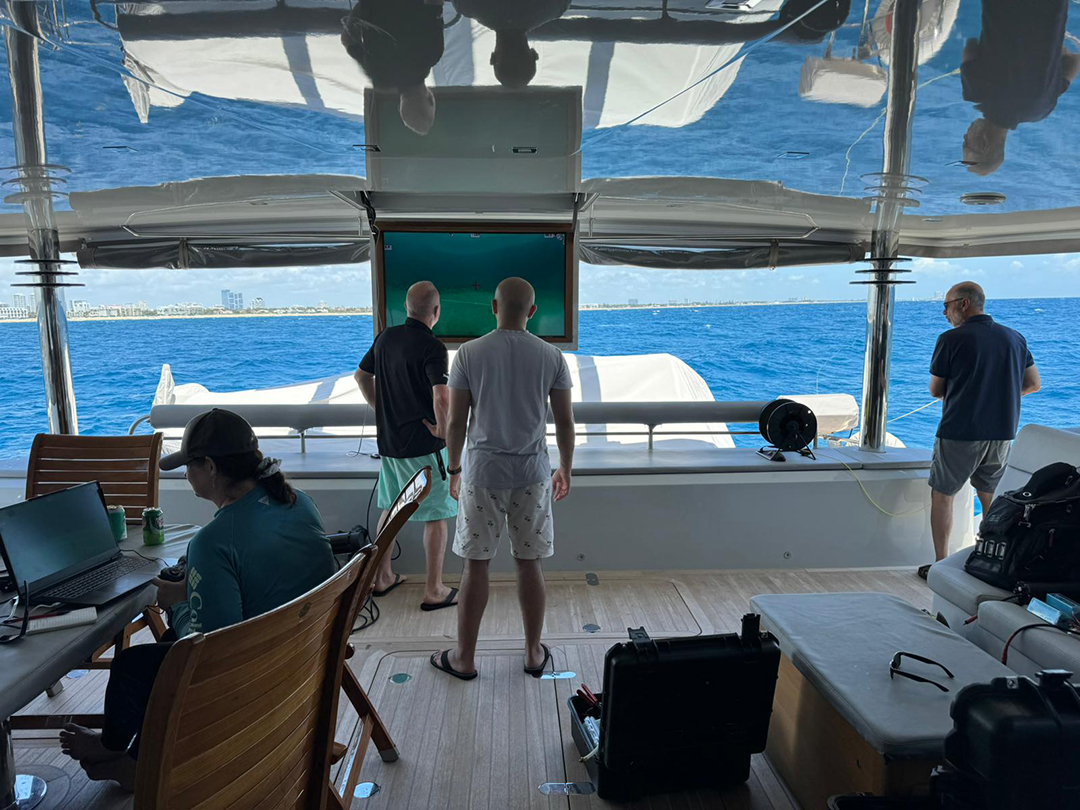
The robot is guided by an AI system that can recognize lionfish, track them, and assist the user in lining up the fish for the stun and capture sequence. This is key to achieving high capture rates with limited user training. Operating the robot is quite similar to playing a video game. The operator drives the robot into an area where the fish are located. The robot identifies the potential target fish. The operator selects the desired fish and the AI system moves the robot into position for a stun/capture event. The operator then drives the robot forward to the fish, activates the stunning system, and with the fish stunned, activates the suction system and pulls the lionfish into the capture chamber.

Our approach relies on two key properties of the lionfish.
First, because they are apex predators and their defense mechanism is to stay put and present their poisonous spines directed at the incoming perceived threat, making them easy targets.
Second, because they are good to eat, there is economic value in harvesting the fish.
A continuous push for improvements
This is our third-generation functioning lionfish capture robot. We are focused on running real-world missions to optimize design and control, while improving capture rates. We are also using the robot to characterize oceanographic conditions where lionfish breeding grounds are likely to be located. We are beyond the ideation and proof of concept stages. We are now entering the most challenging and costly phase of development where we prove out the real-world performance of our solution. Success here unlocks our ability to scale and deliver desired impact.
As we are performing these operational tests, we generate live content and impact stories which translate into SciSci ITF-powered lessons in the classroom.